


The Capsule Wardrobe
Fewer garments, chosen properly — built for Indian heat, Indian humidity and the short, sharp winter in between. This is the whole wardrobe we intend to make, and exactly when each piece arrives.
KANSO began with a single conviction: that a man needs far fewer clothes than he owns, and far better ones than he settles for.
So we are building one permanent collection — not seasons, not drops for their own sake. A finite set of garments, each vetted for aesthetic longevity, material integrity, durability and the ability to work with everything else in the range.
We are early. Today the collection is three shirts. By this time next year it will be a complete wardrobe.
This page is the map. It explains what a capsule wardrobe is, how to build one, and exactly where we are on the journey to offering you all of it.
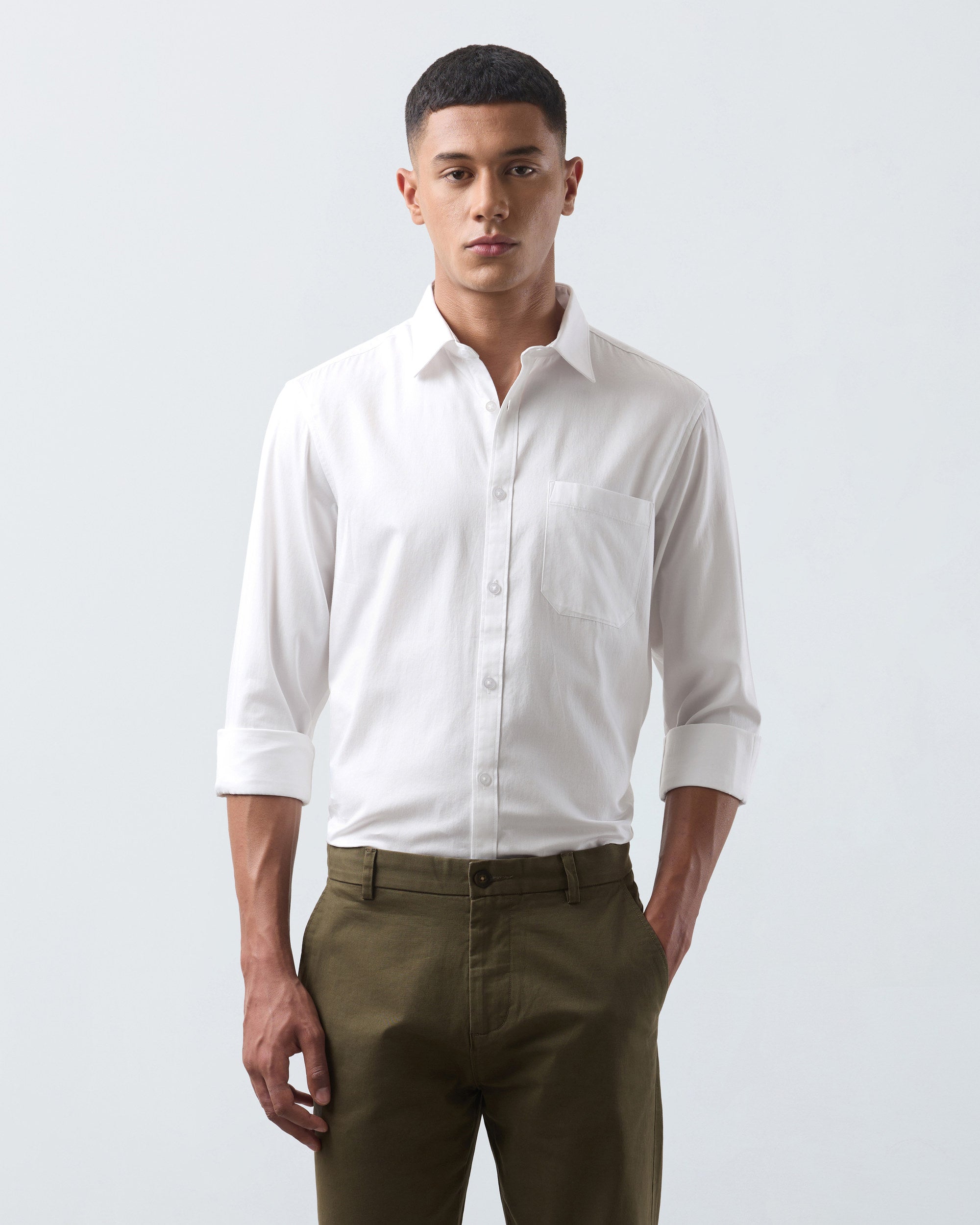
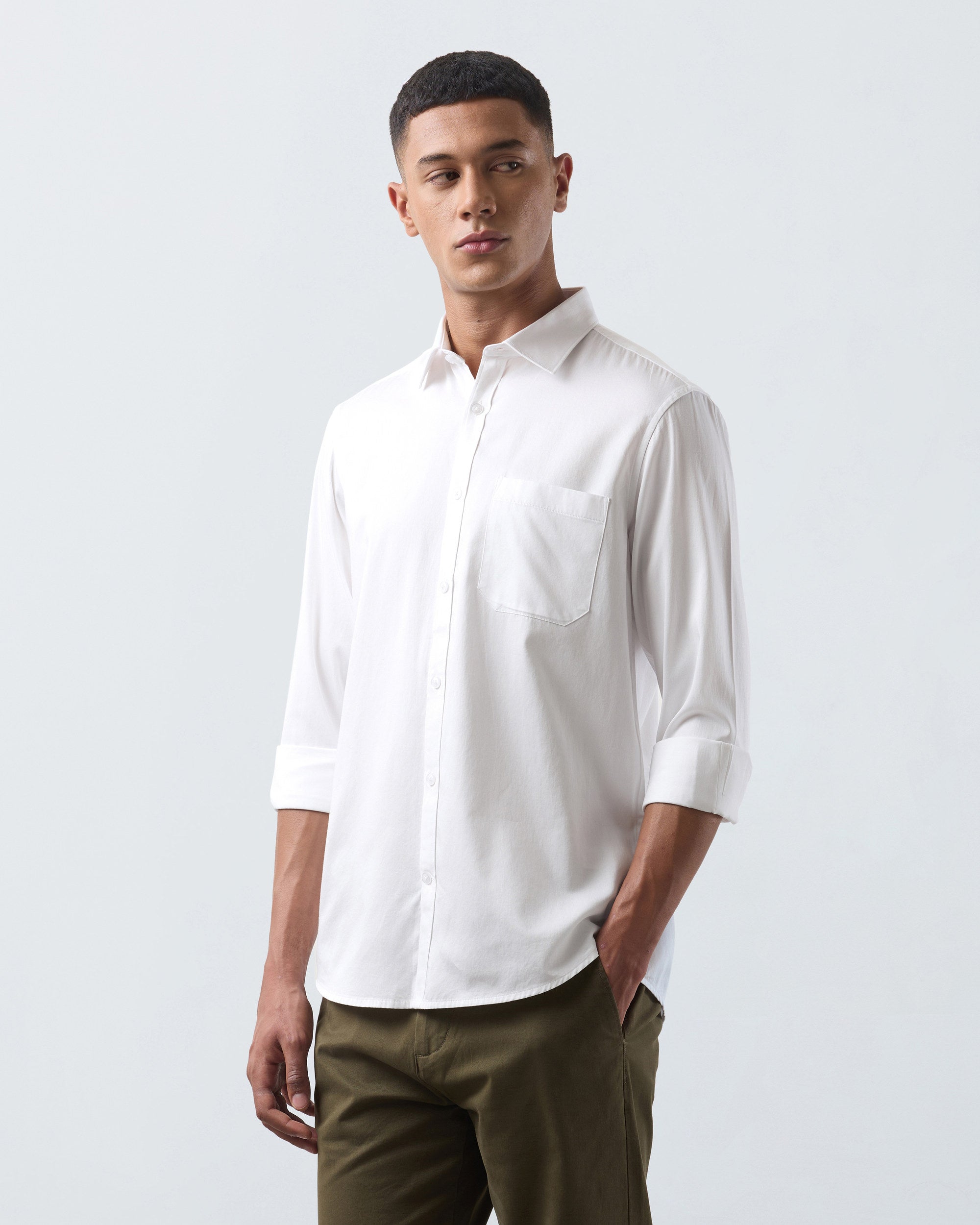
The permanent collection, as it stands today.
How to build a capsule wardrobe
To dress more confidently with fewer garments, every piece has to be considered — not on its own, but against everything else you own. We find it useful to think in three tiers: not categories of clothing, but categories of function.
Core items
- Worn closest to the body
- Used frequently and intensely
- Made for repetition
Includes: Underwear, socks, t-shirts, oxford and linen shirts, chinos, denim, sweatpants and belts — in classic cuts and white, blue, grey and neutral tones.
These carry the greatest demand. In our climate they are washed constantly and worn in 35°C afternoons. Breathability, colourfastness and a collar that holds its shape after fifty washes are not luxuries here — they are the whole point.
Building blocks
- Functional layers with character
- Used less frequently, less intensely
- Build outfits and define style
Includes: Overshirts, denim shirts, polos, flannel shirts, zip sweatshirts, alternative denim washes and fits.
These add contrast and character — to an outfit, and to your style. In India they do double duty: a layer for over-air-conditioned offices in July, and genuine warmth in December. You need far fewer of them than you think.
Occasional pieces
- Seasonal and occasional extensions
- Worn infrequently, but intensely
- Statement pieces without excess
Includes: The dress shirt, a jacket, shorts, merino knits, a wool coat, ties, scarves and beanies.
These take the wardrobe to its edges — a wedding in Delhi in December, a boardroom, a long-haul flight. Used intensely for short periods. The temptation is to over-buy here. Resist it: three well-chosen pieces cover a decade.
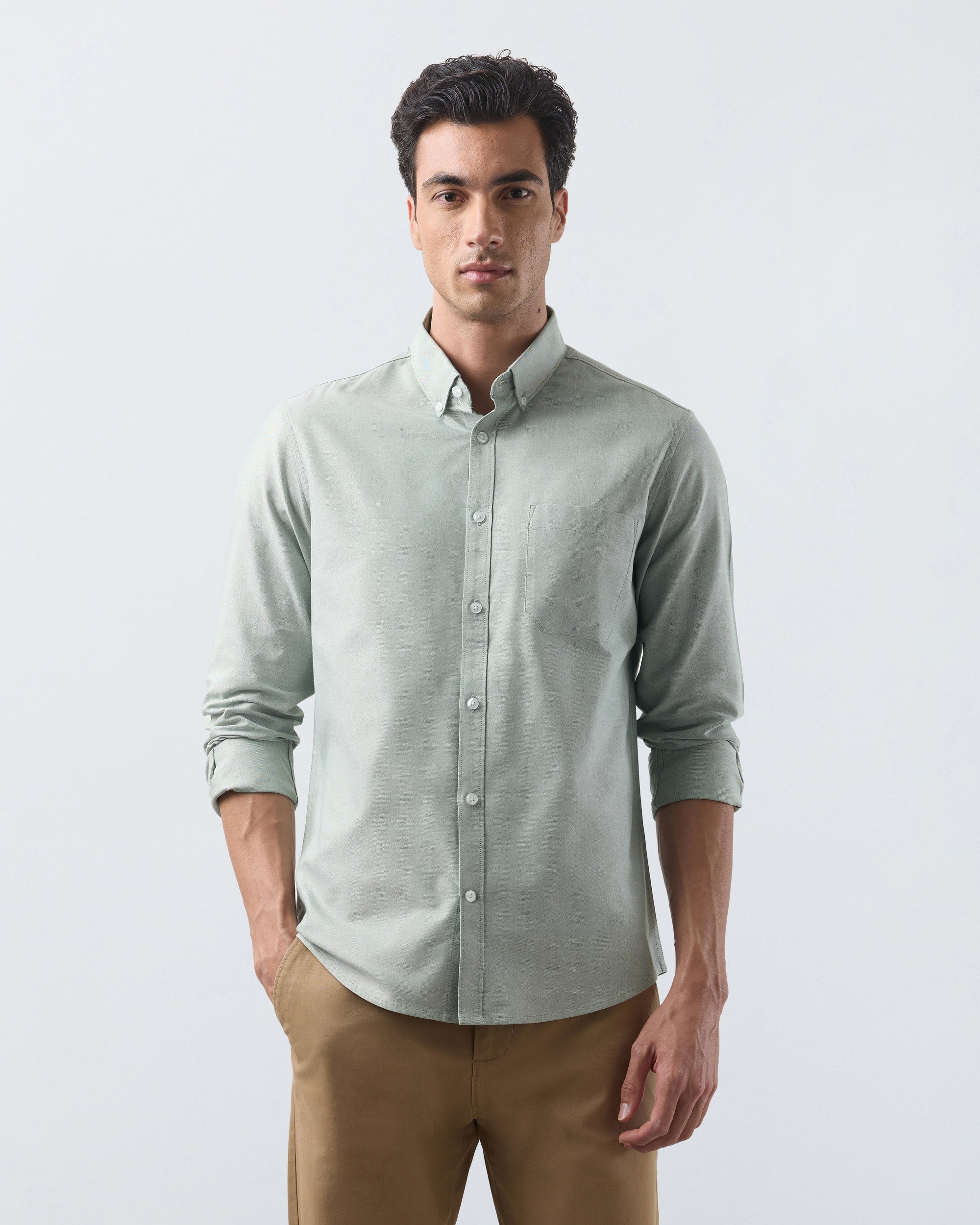
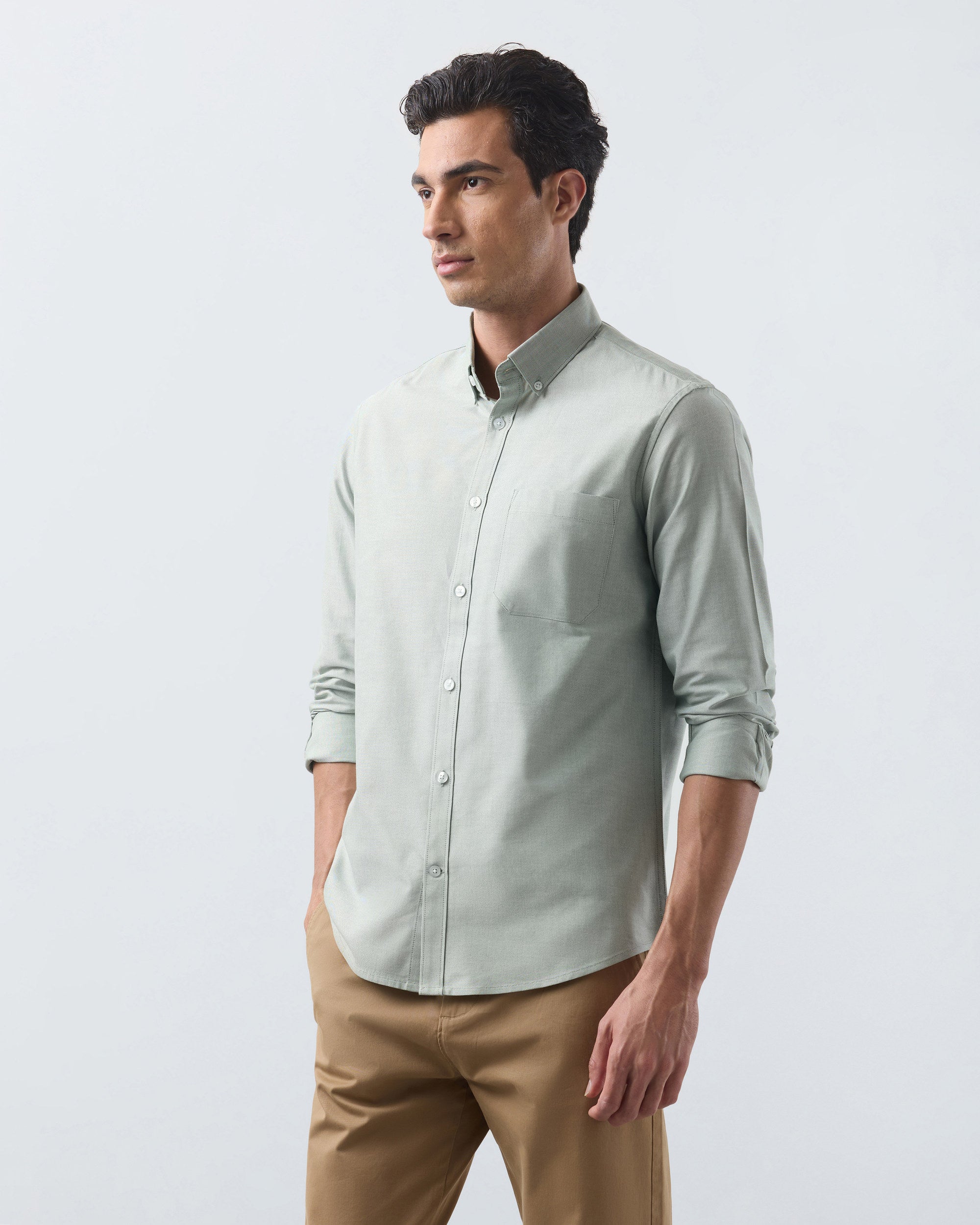
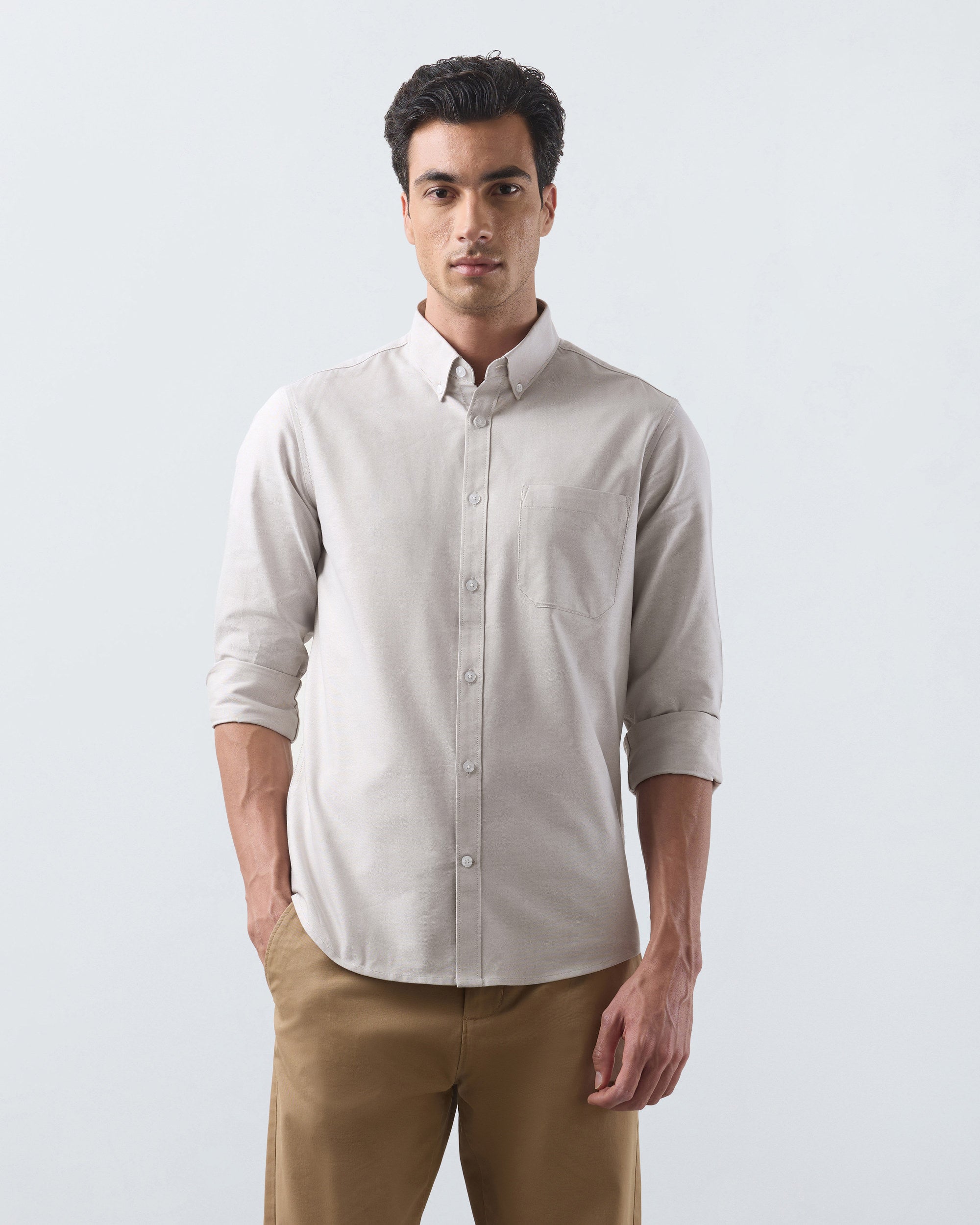
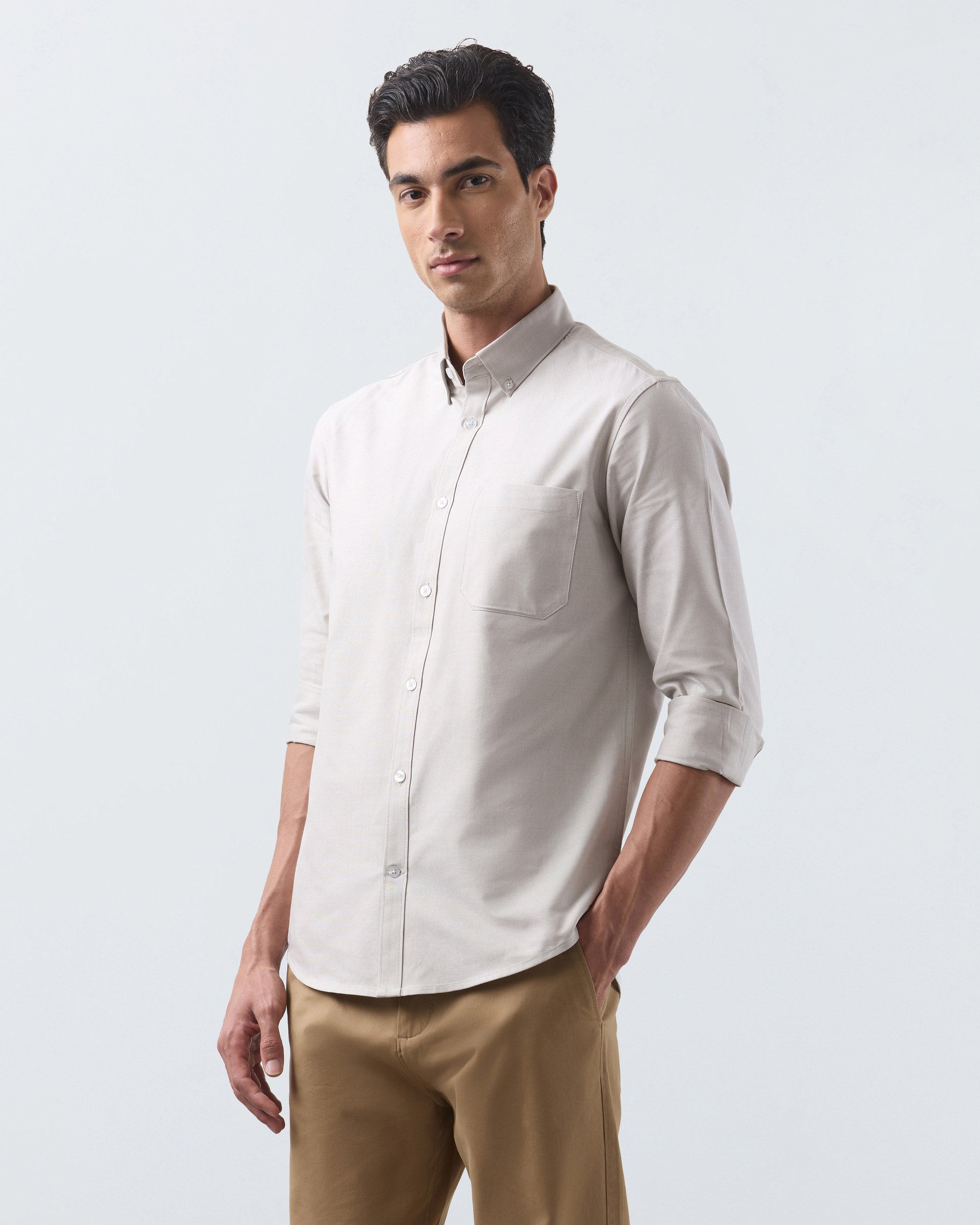
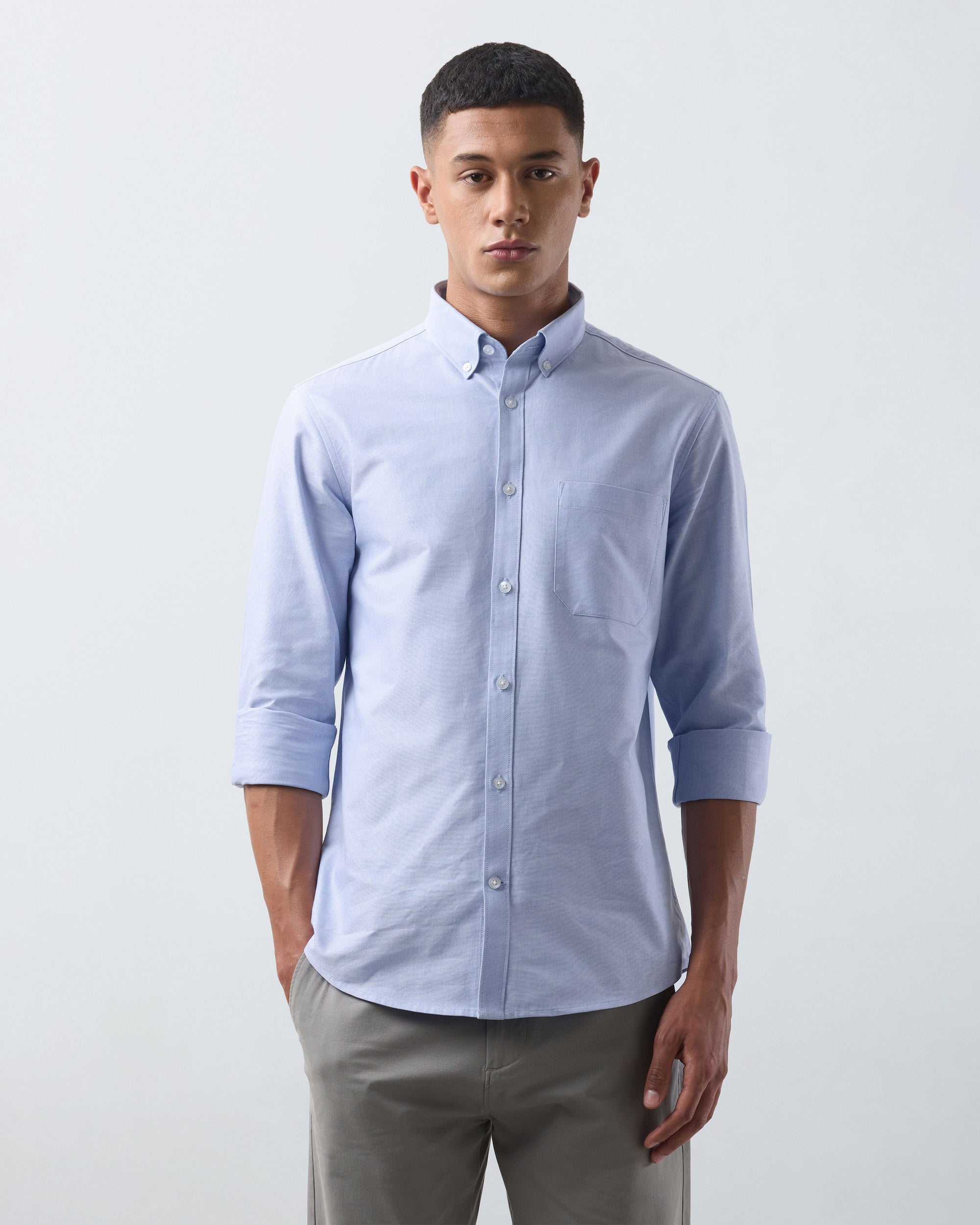
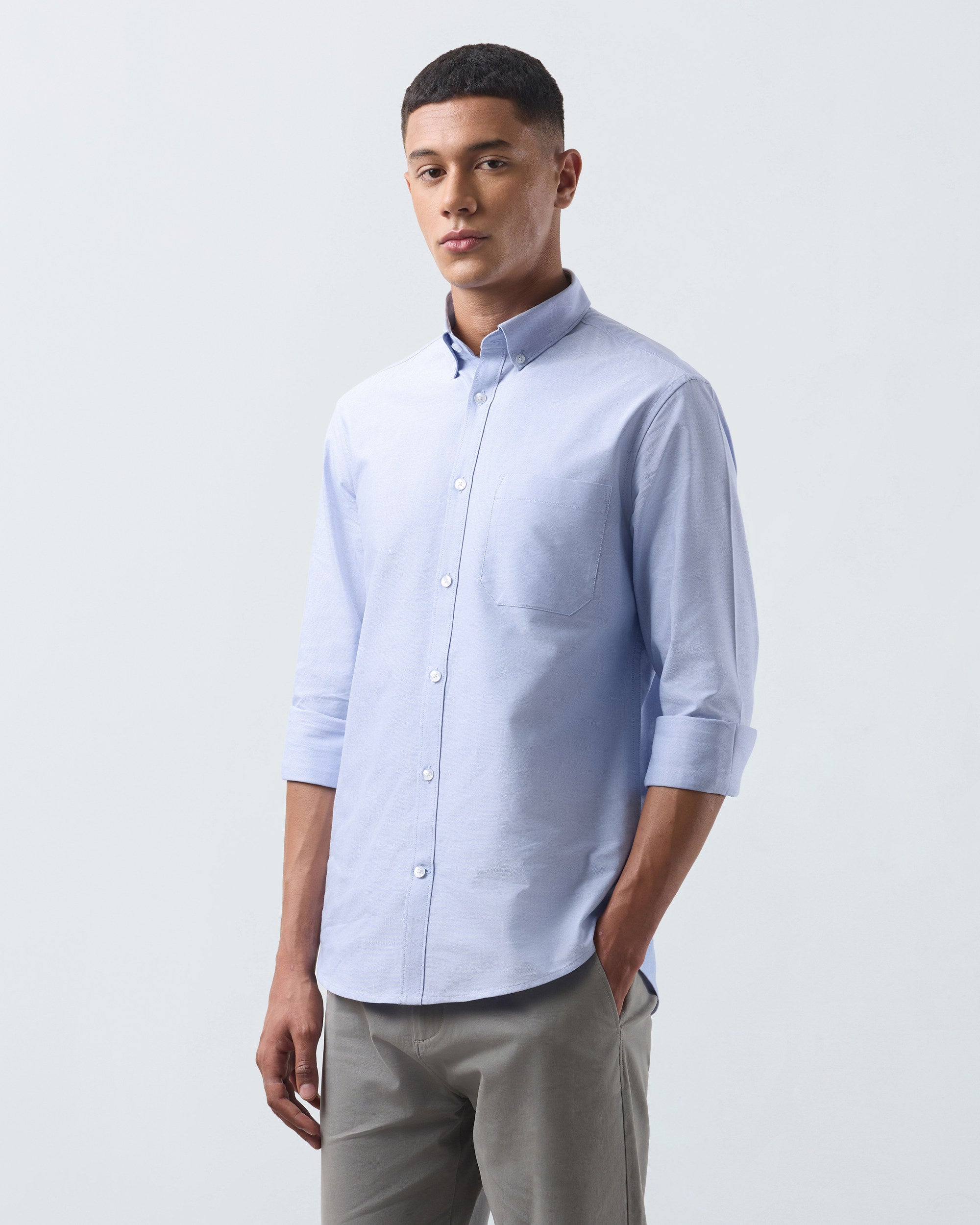
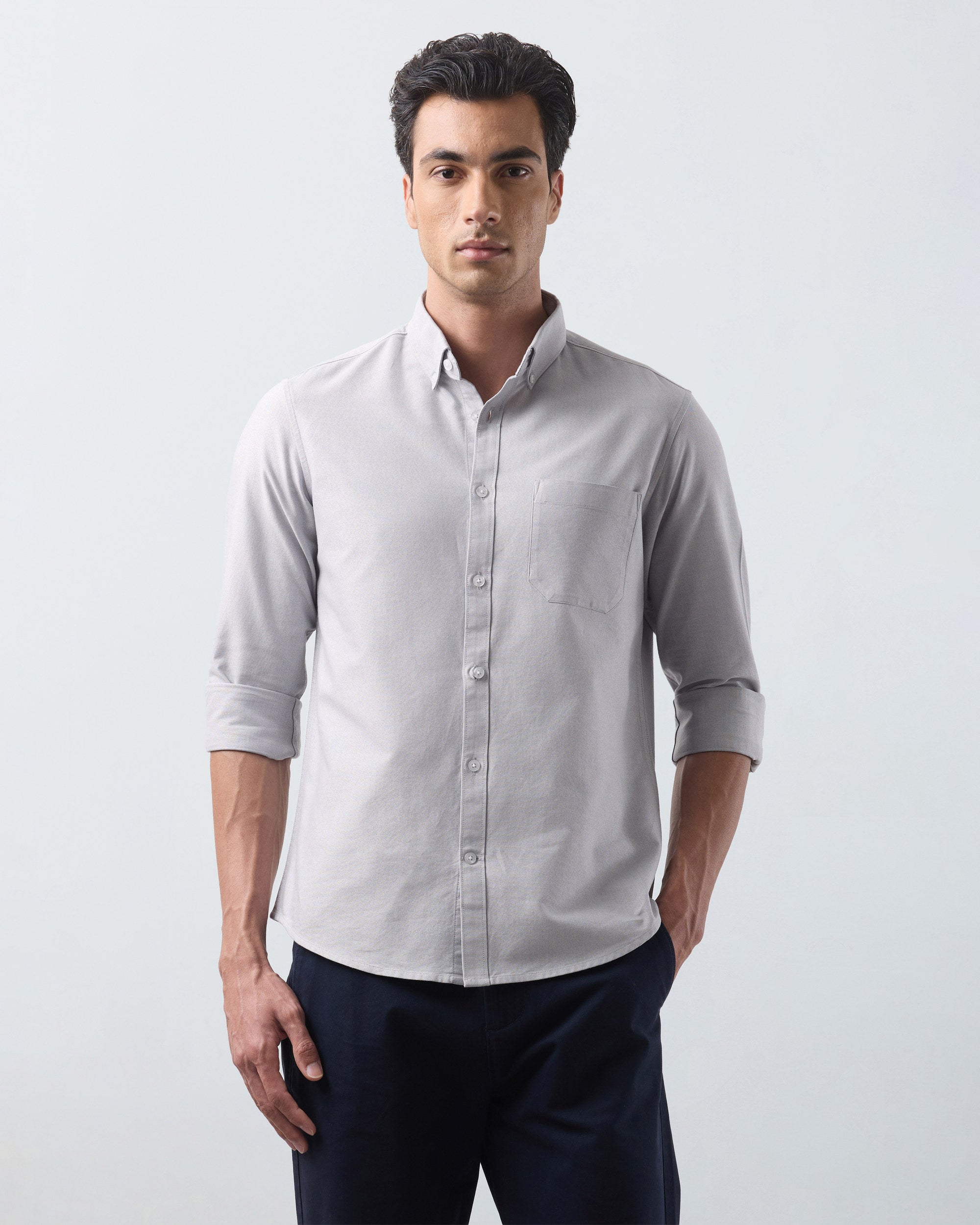
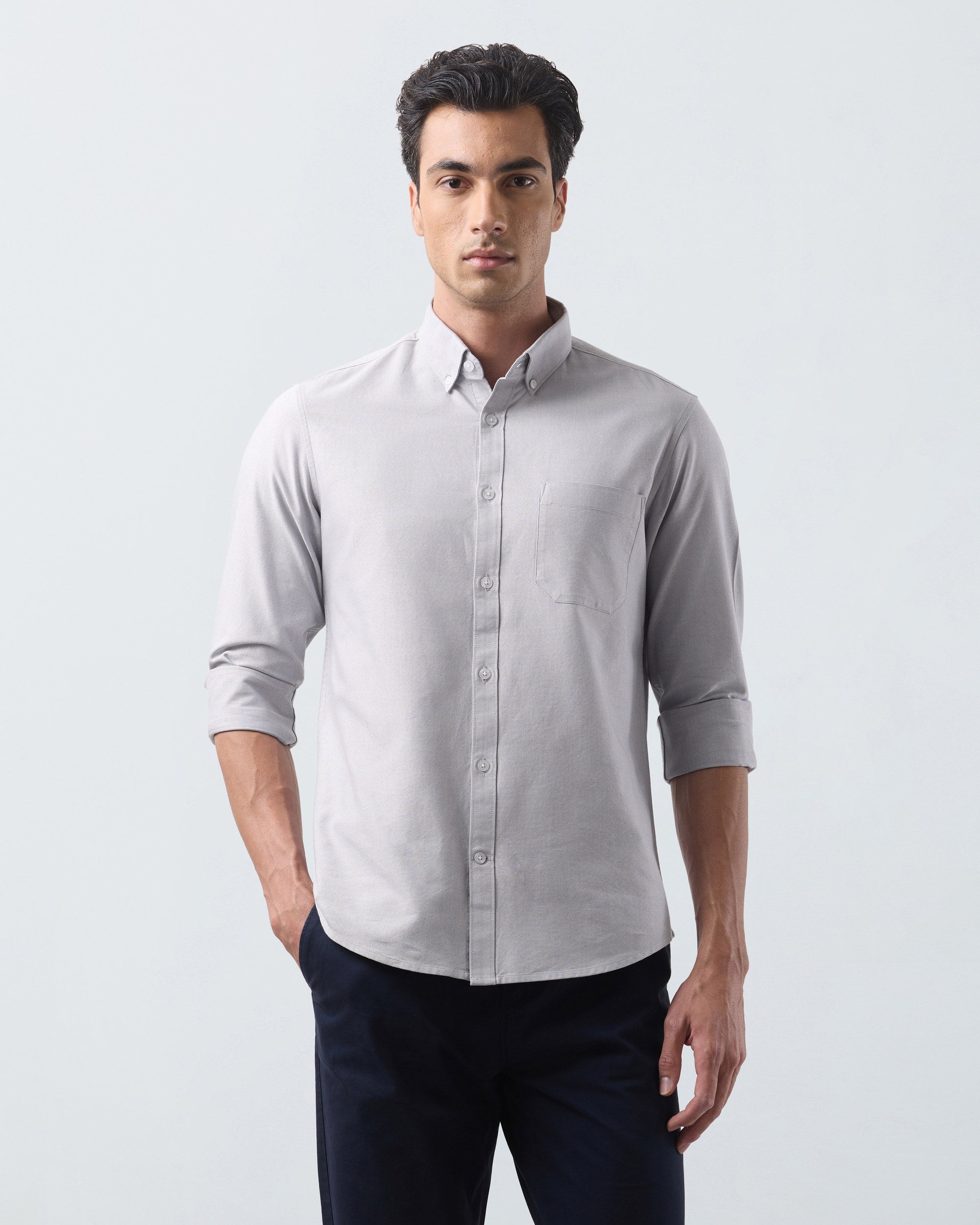
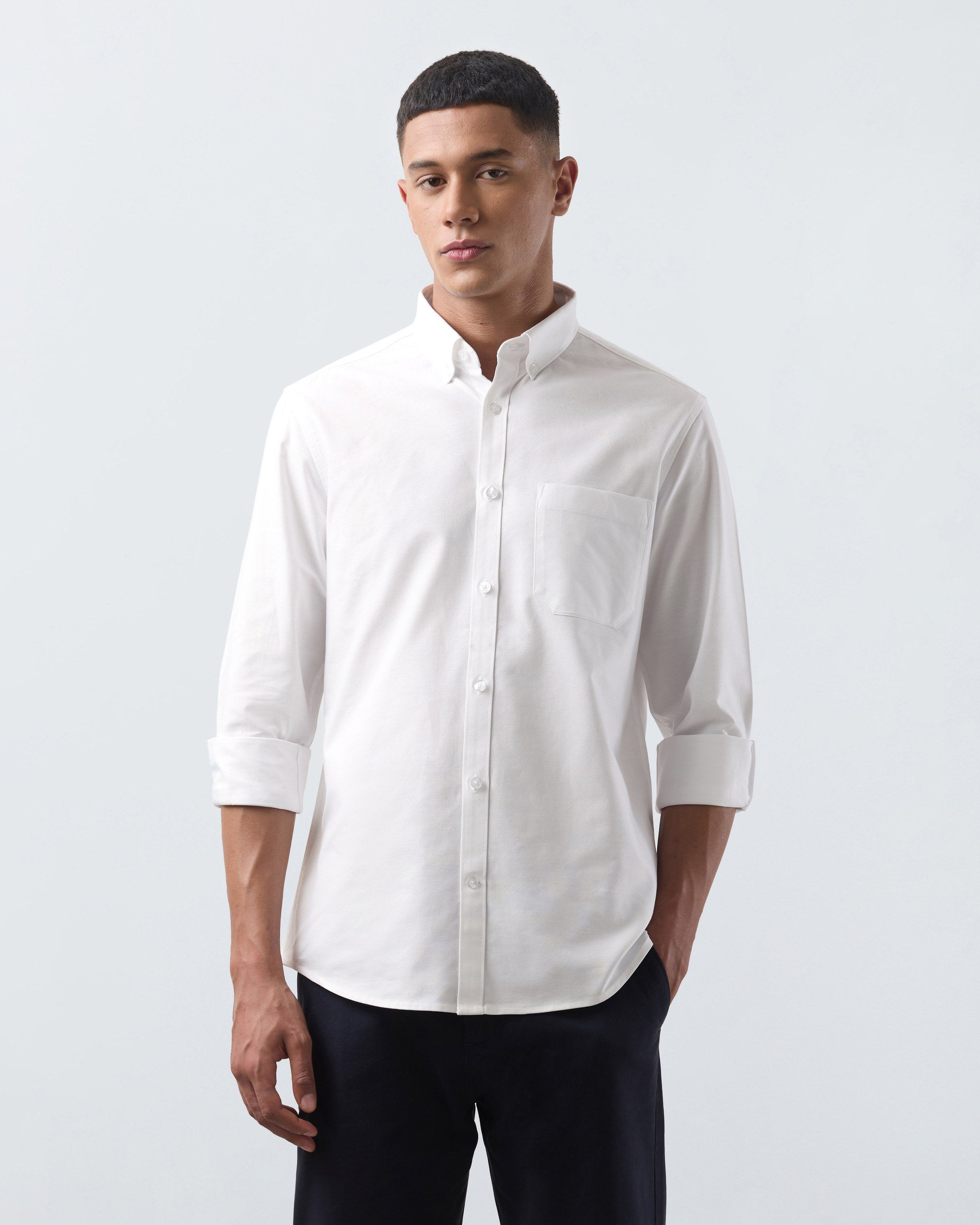
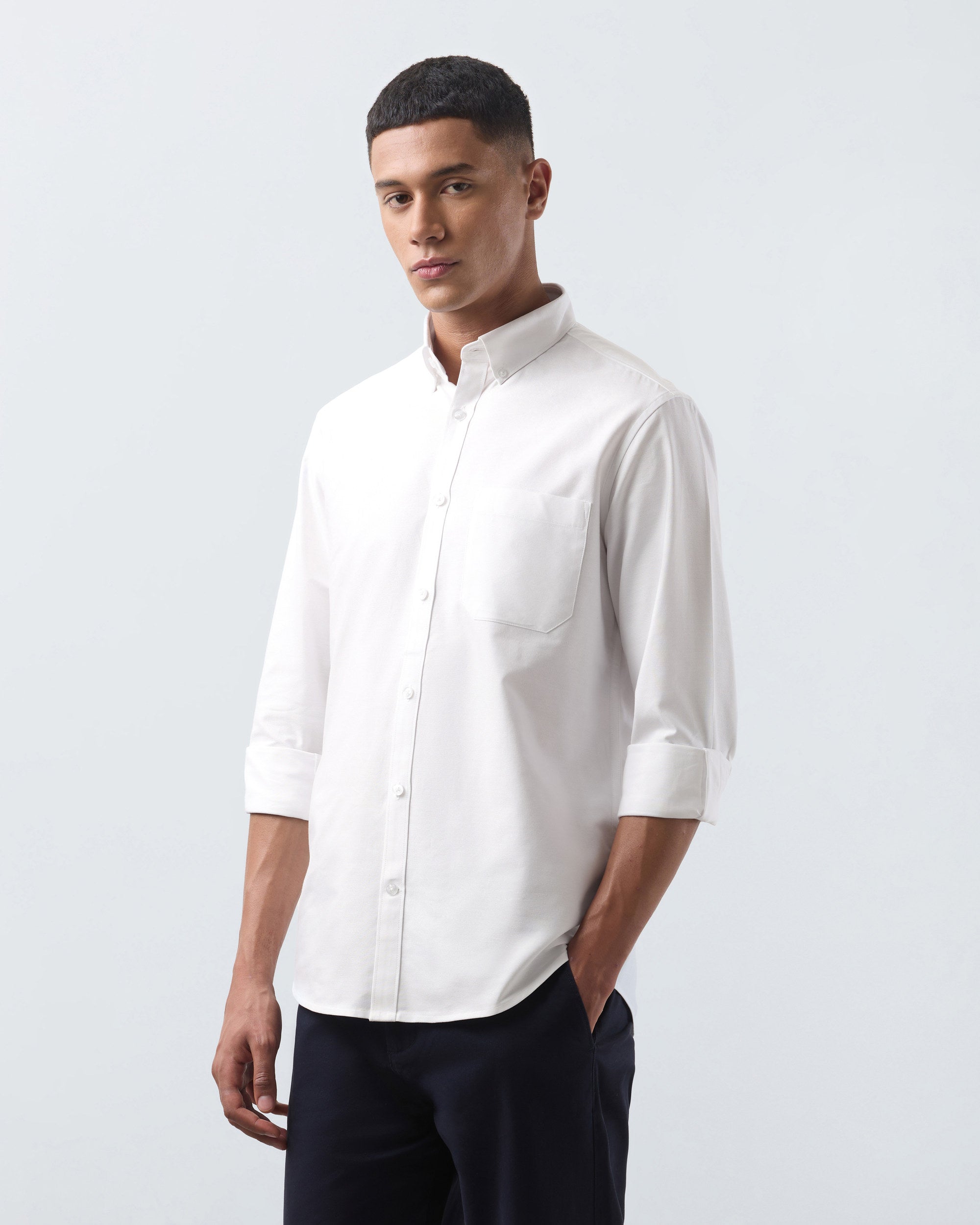
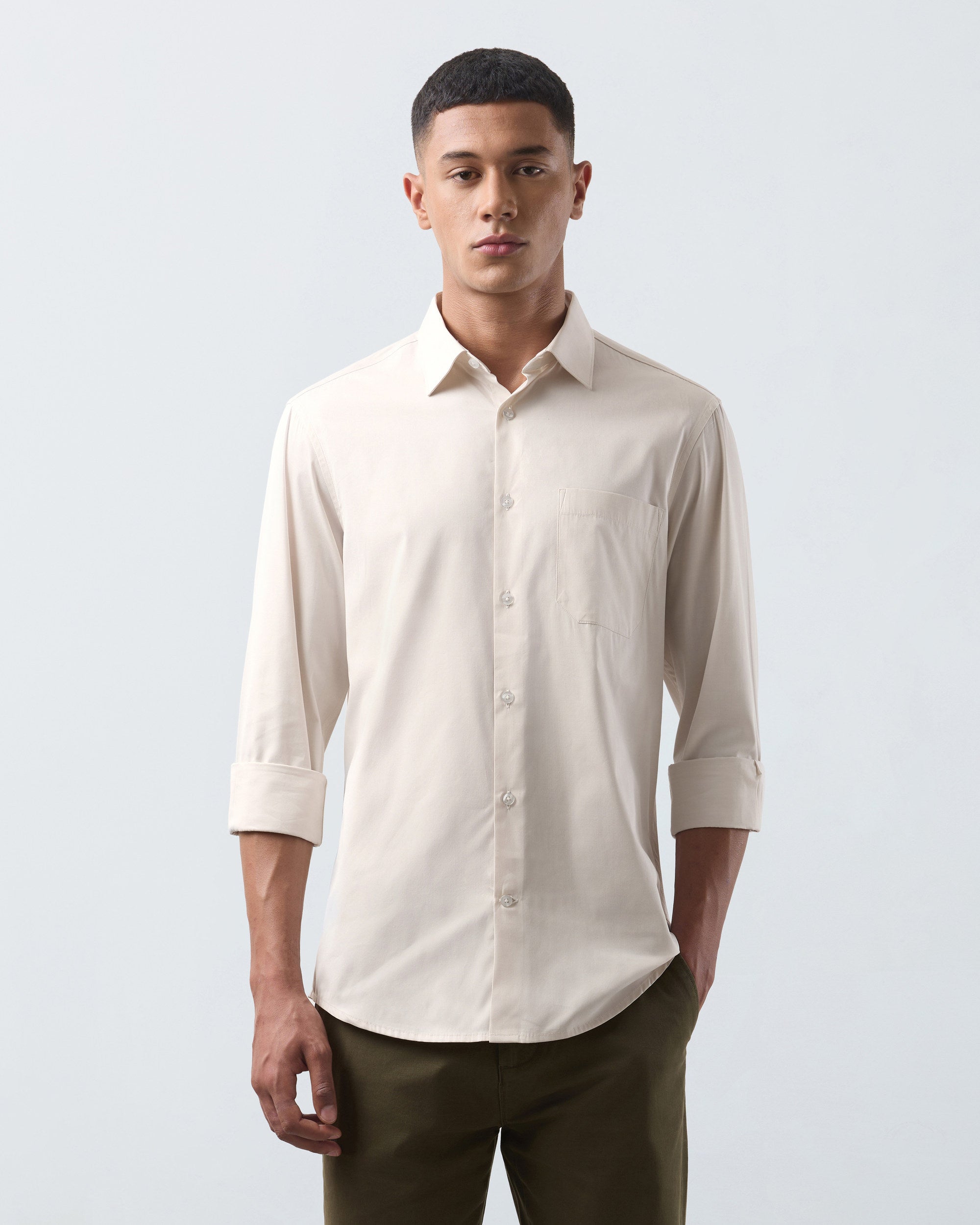
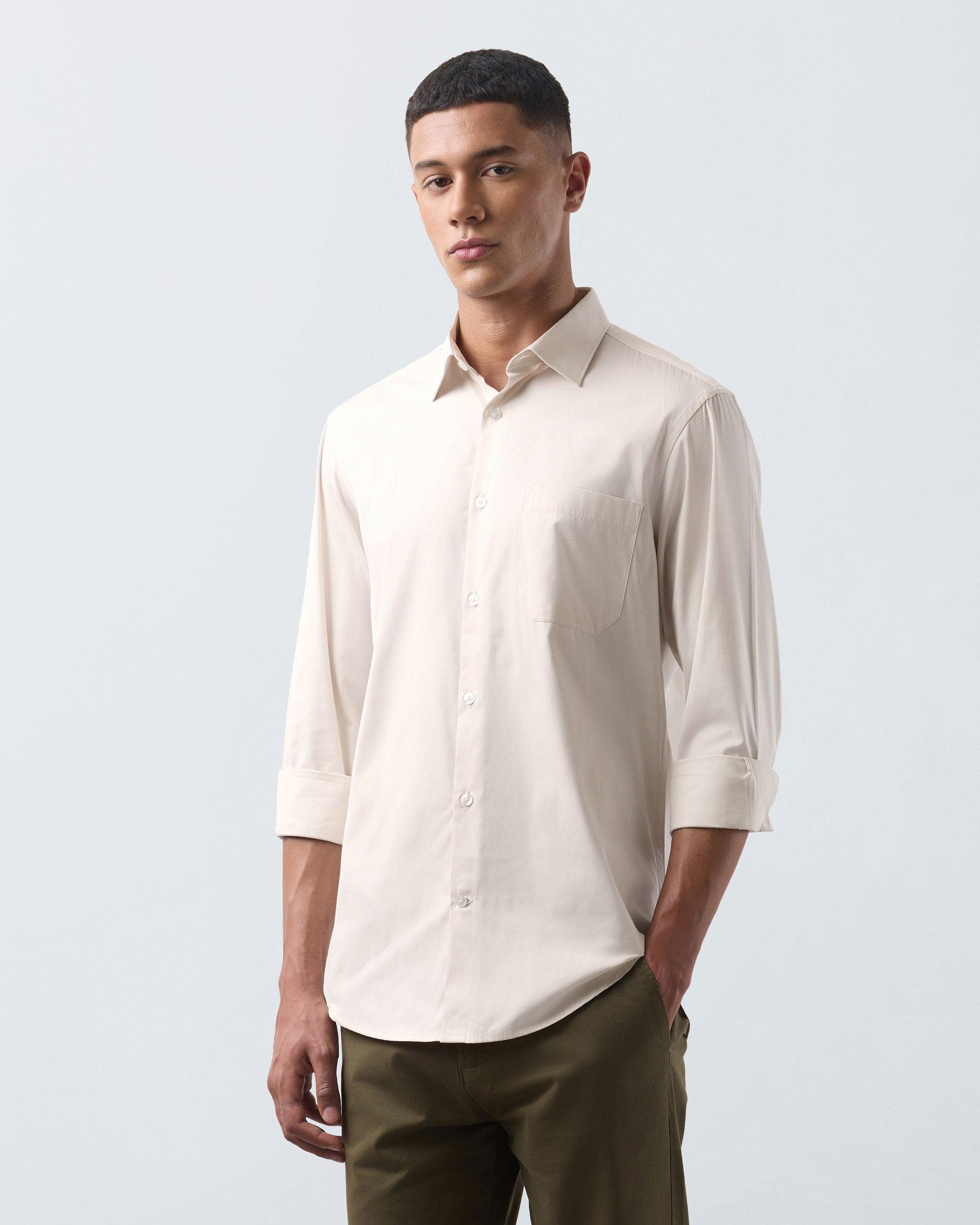
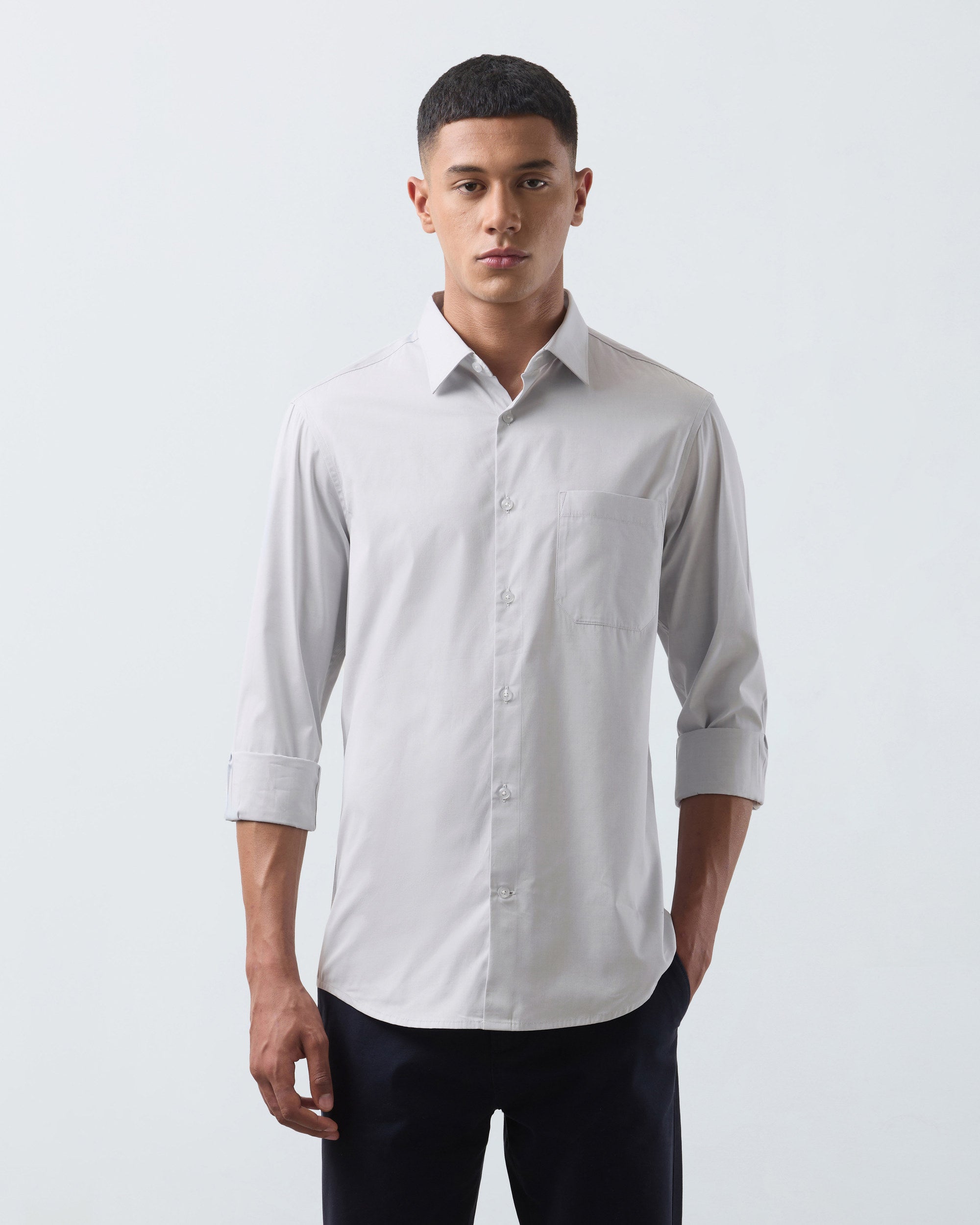
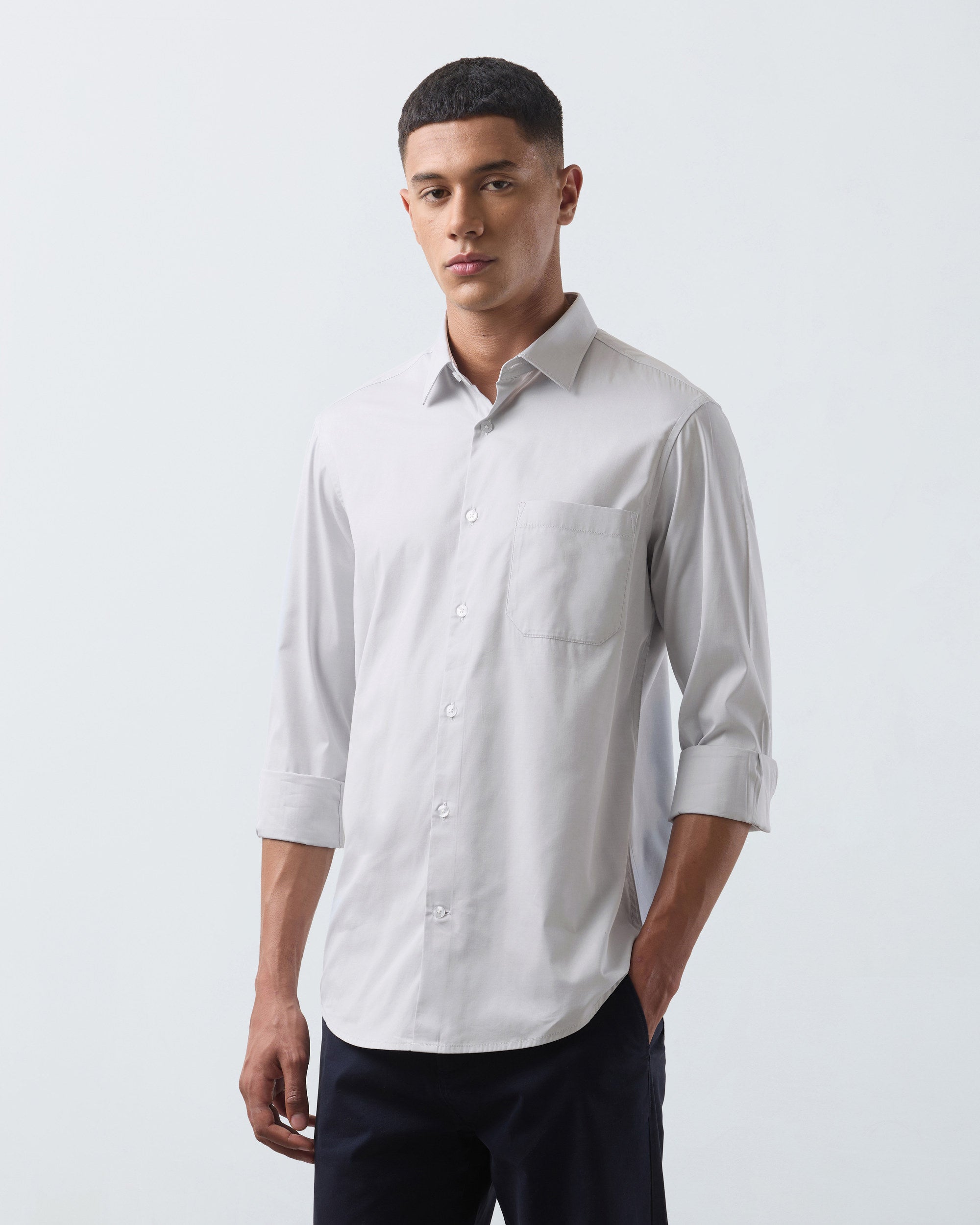
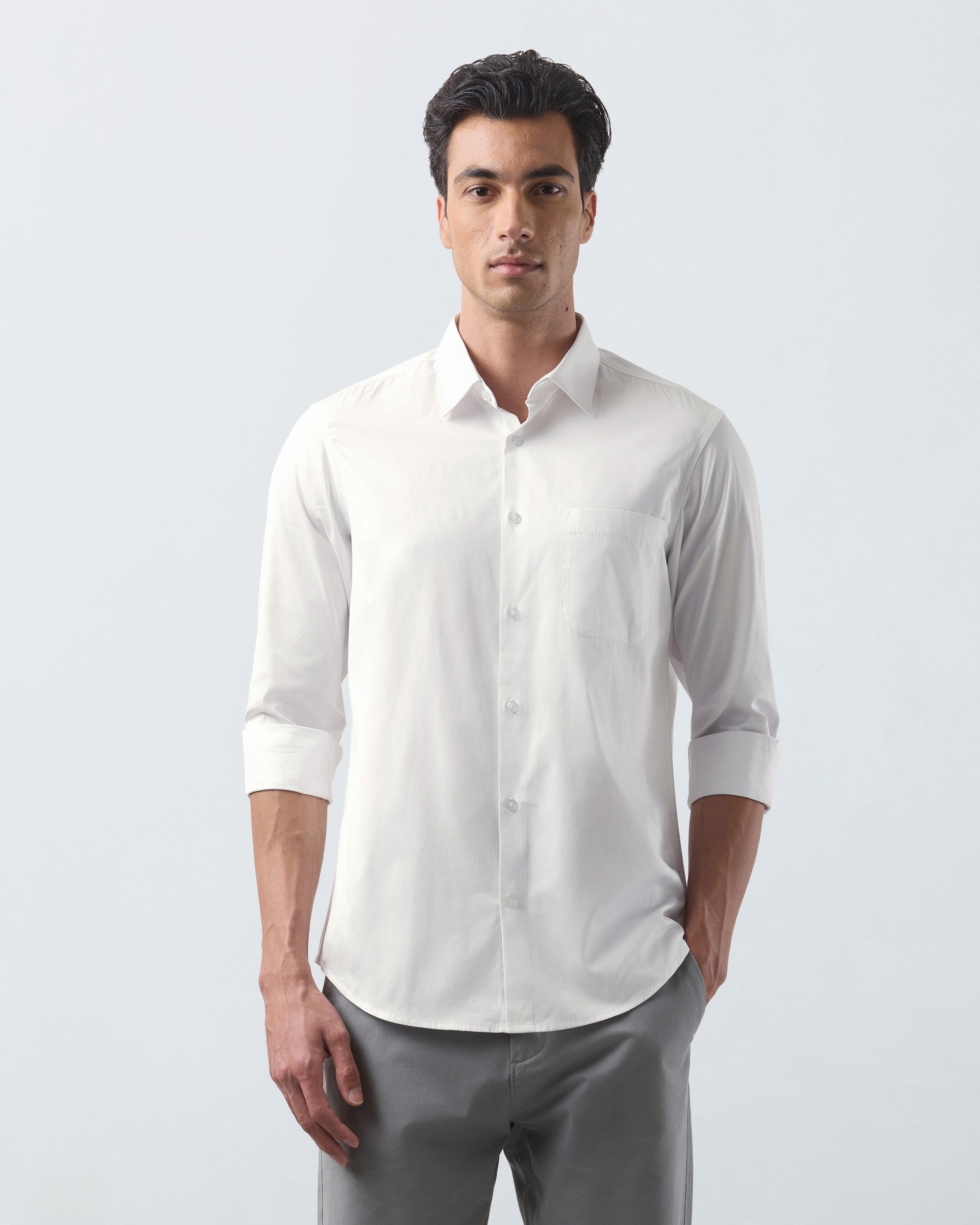
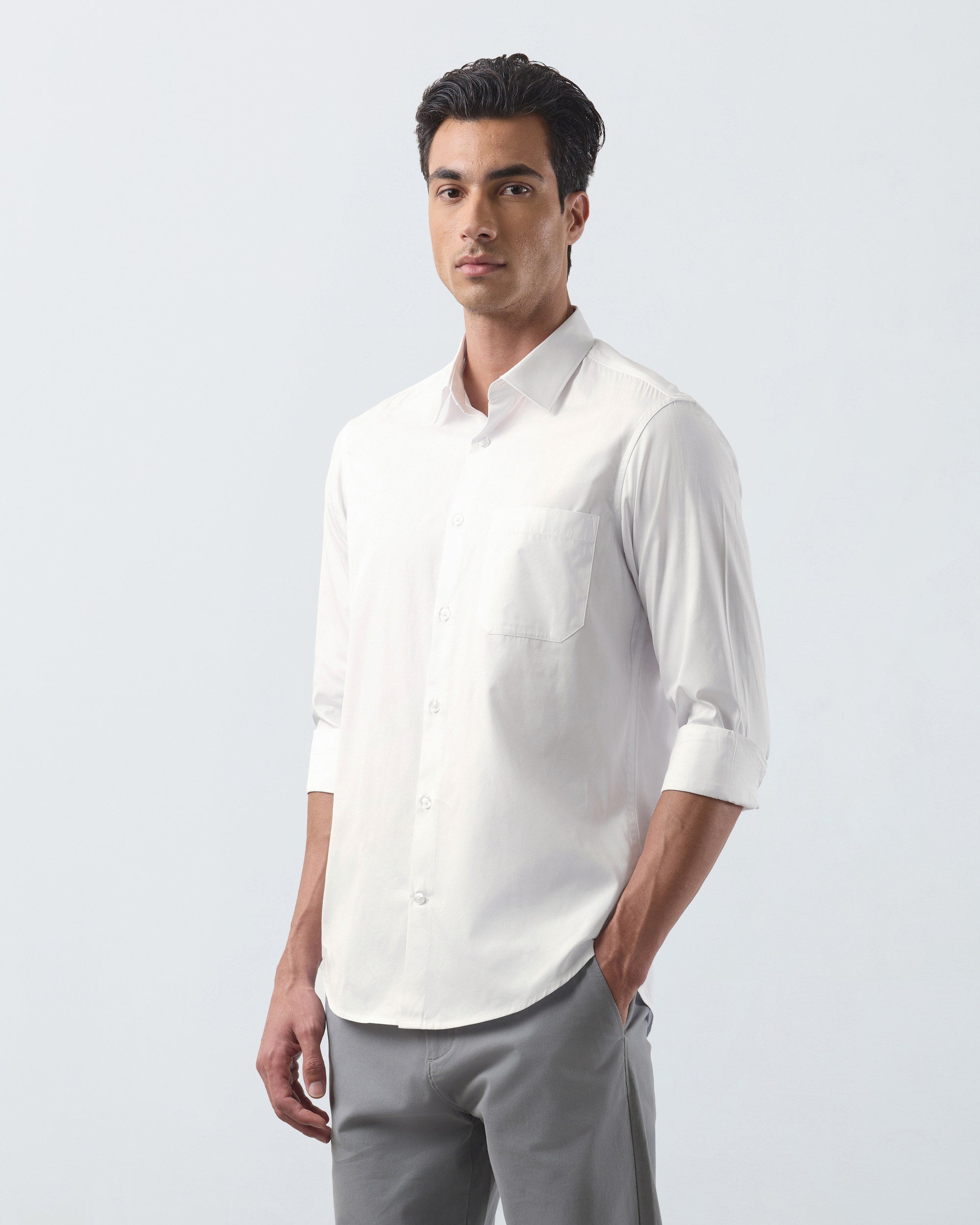
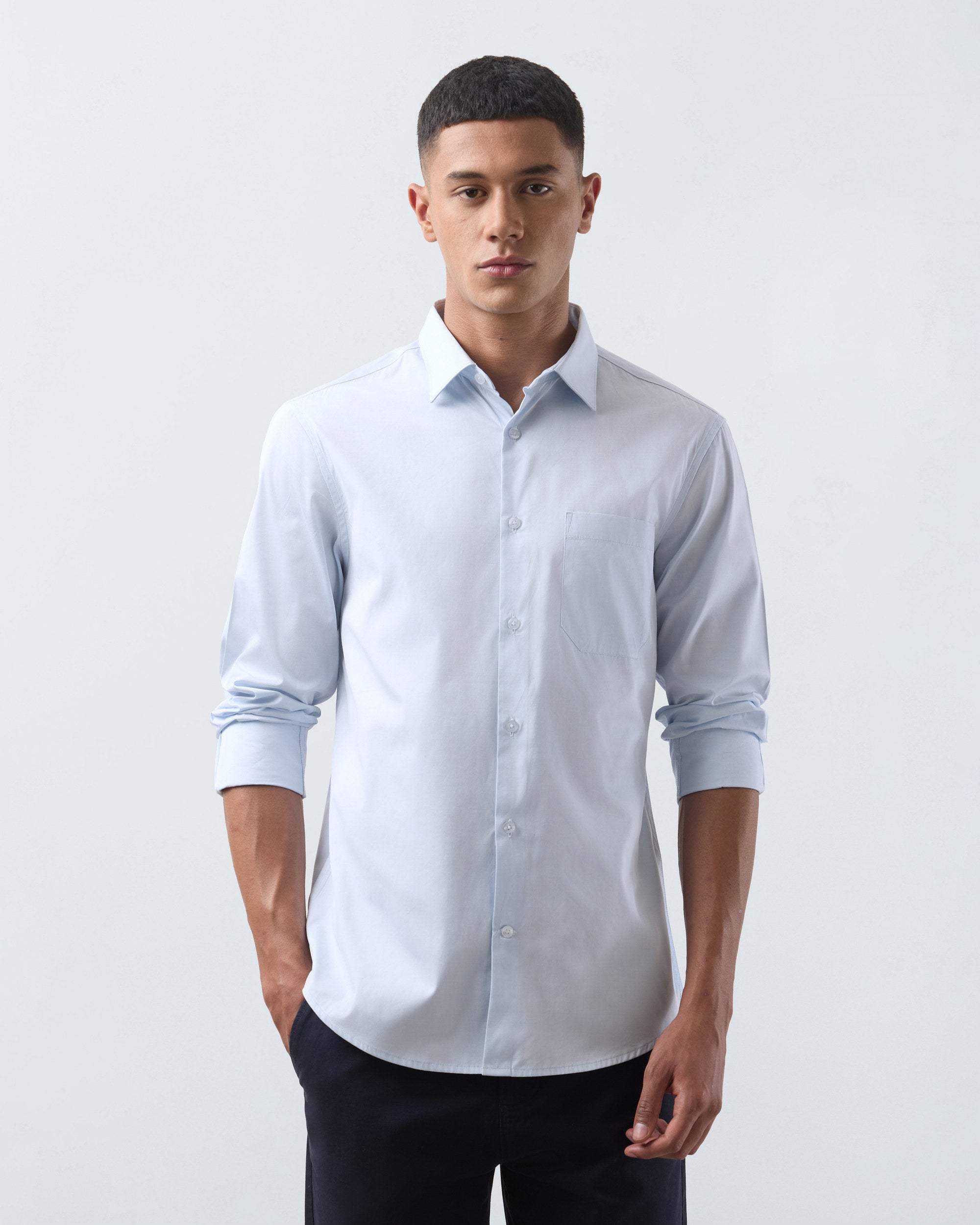
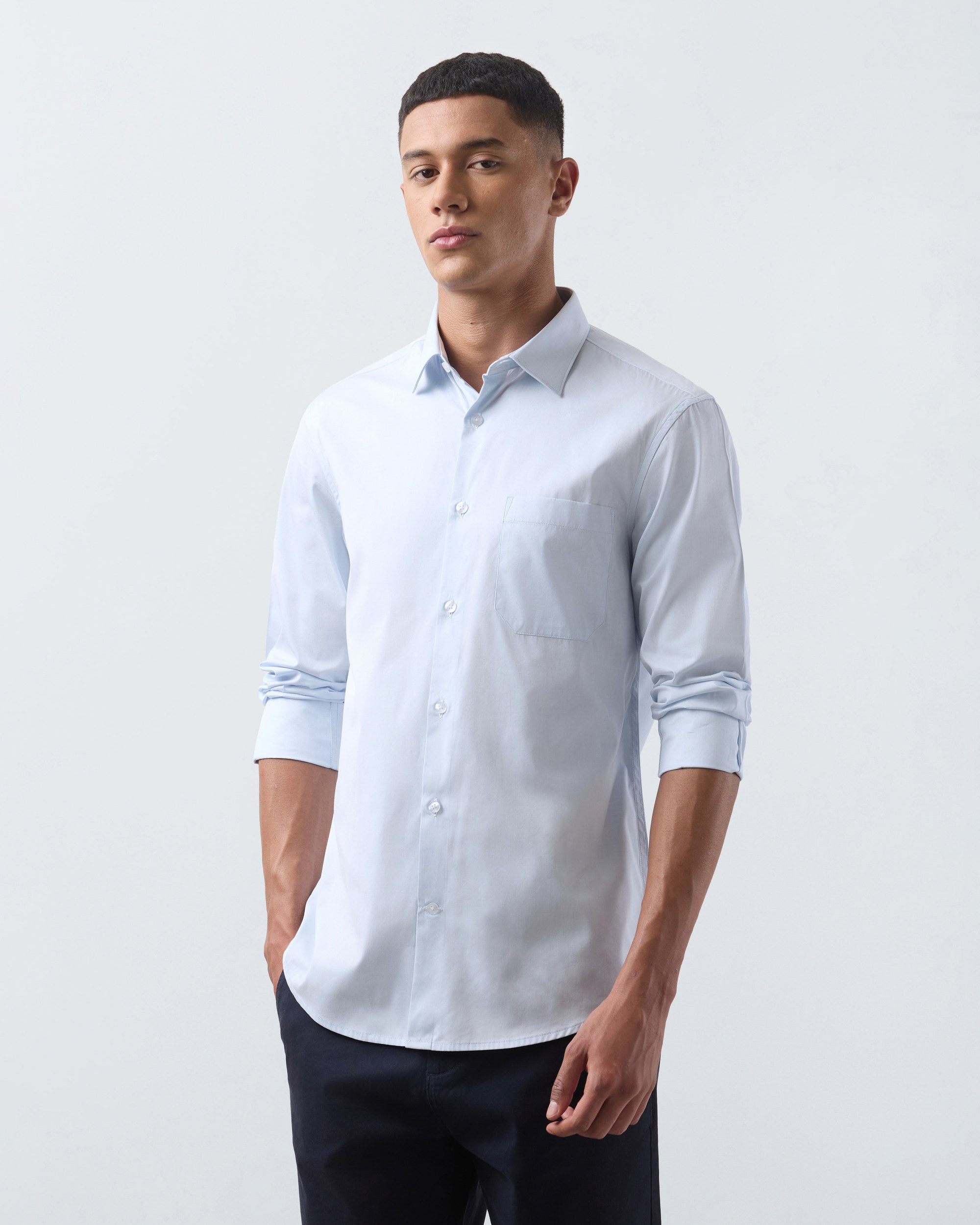
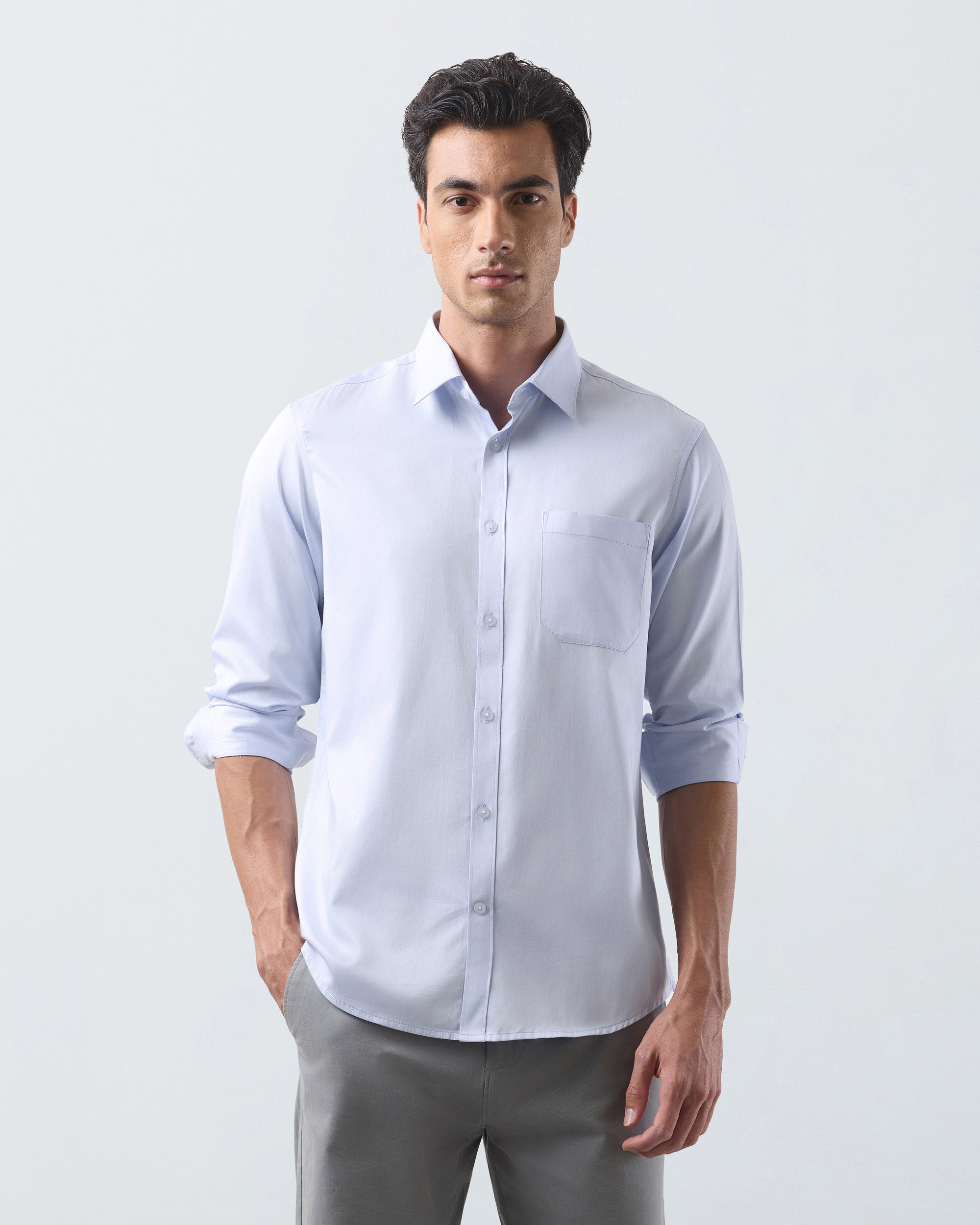
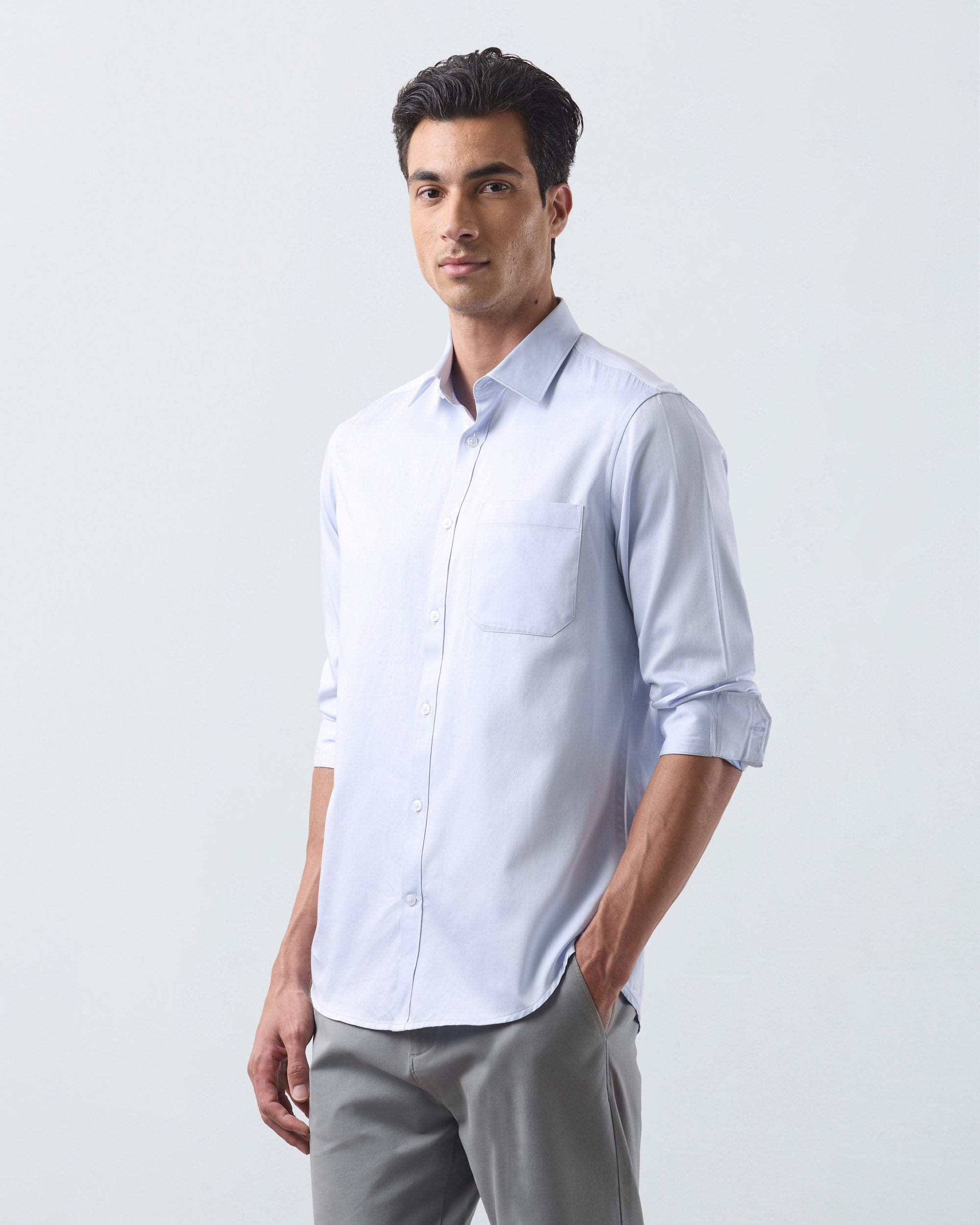
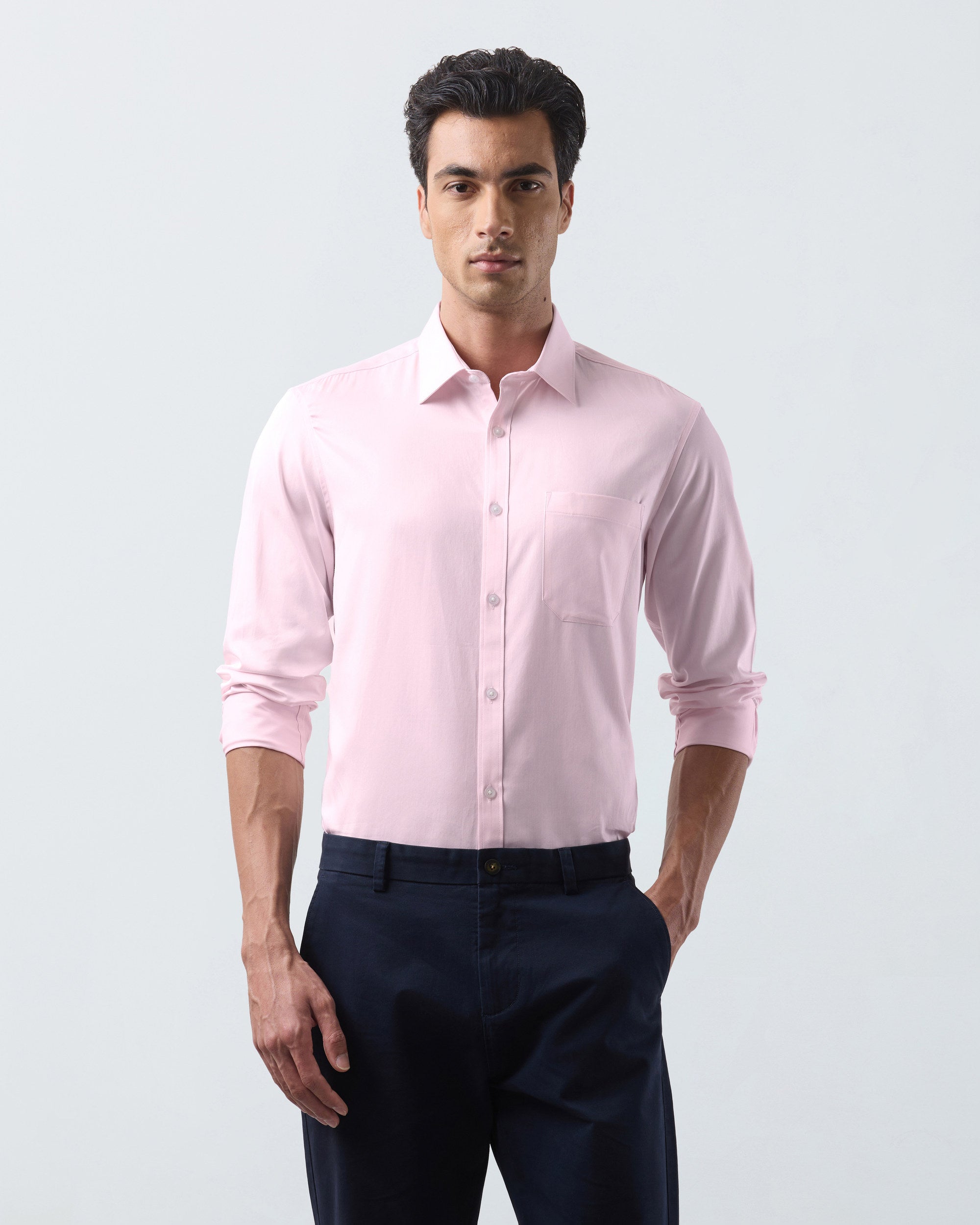
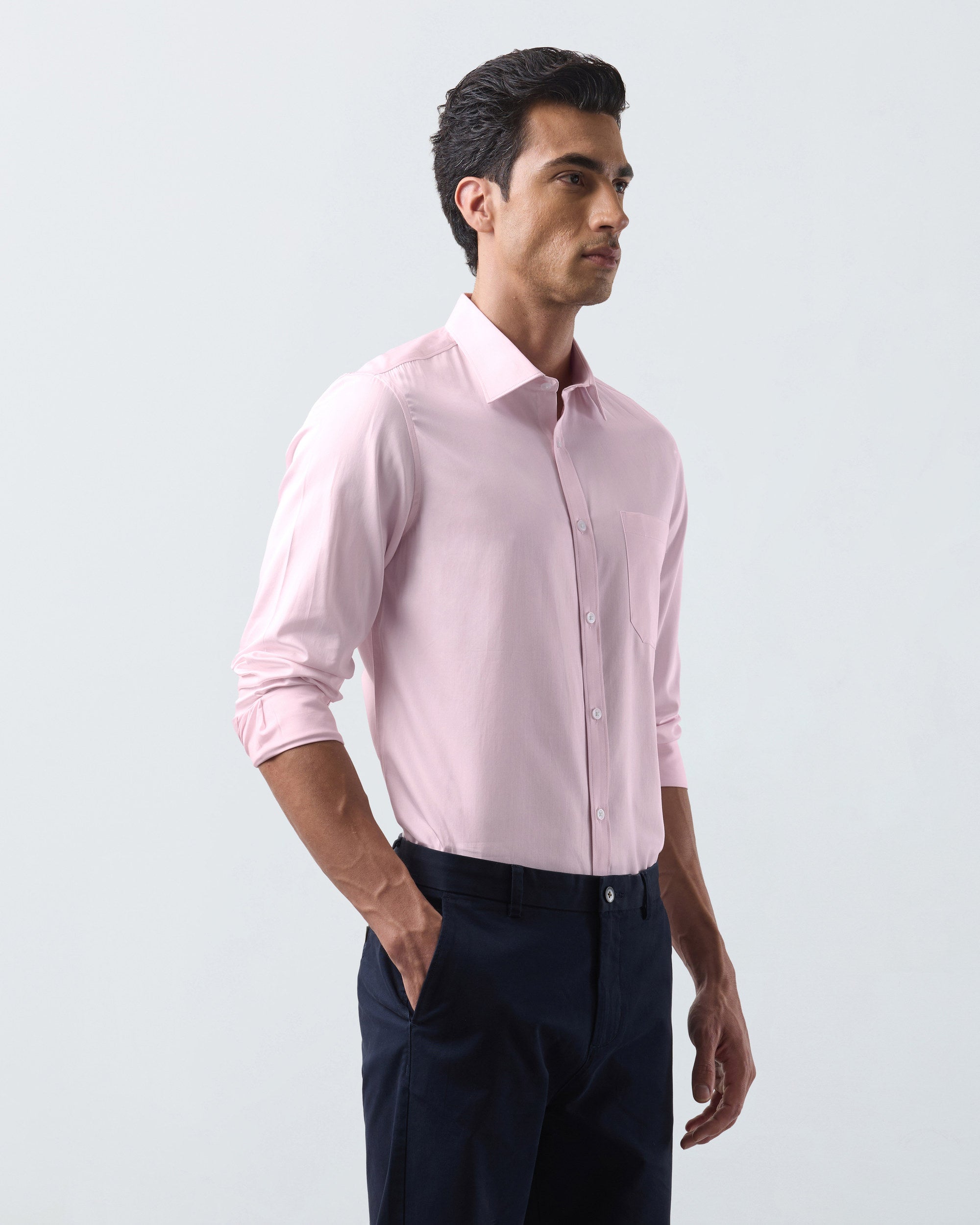
Core. The everyday shirt — 100% cotton oxford, five colours.
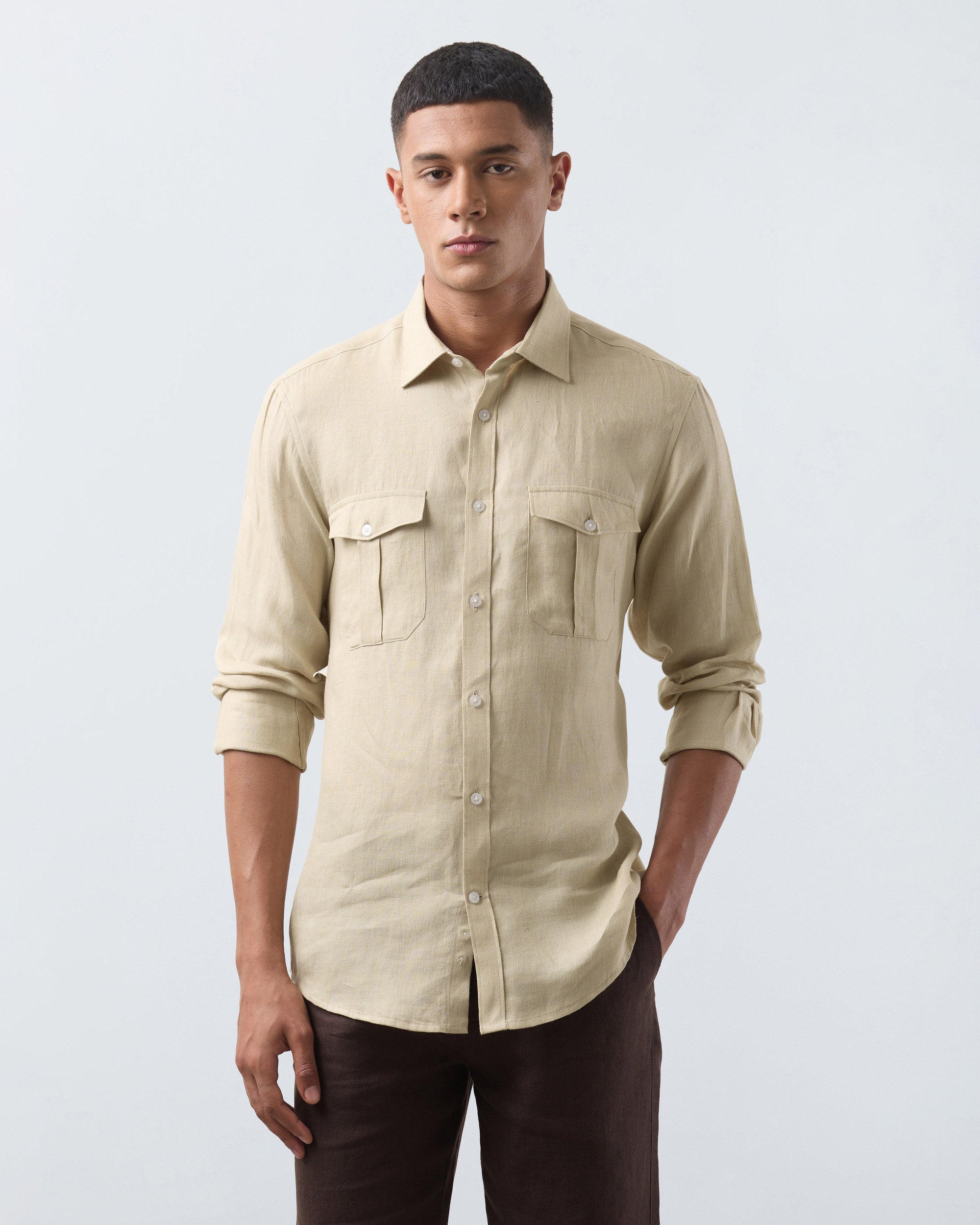
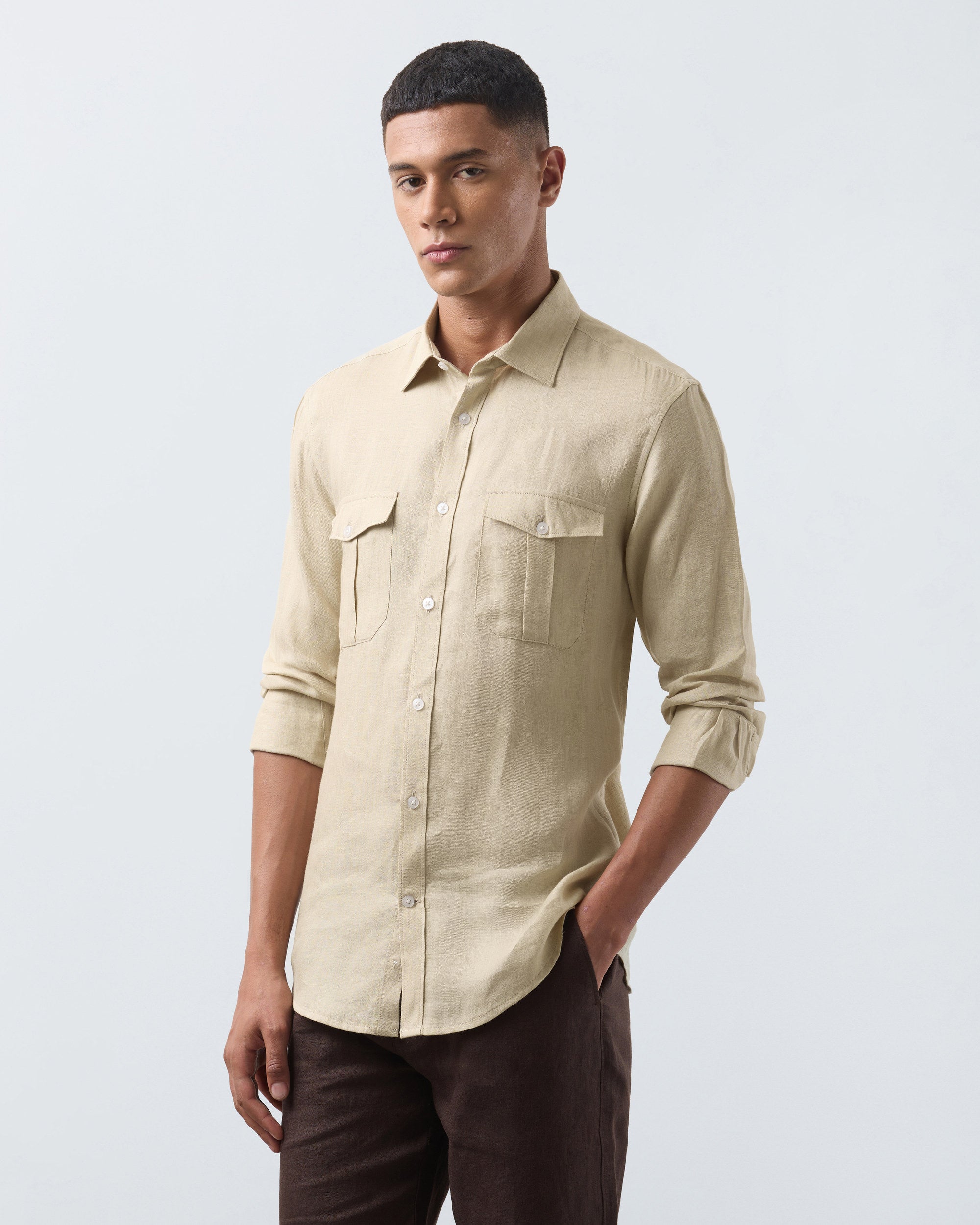
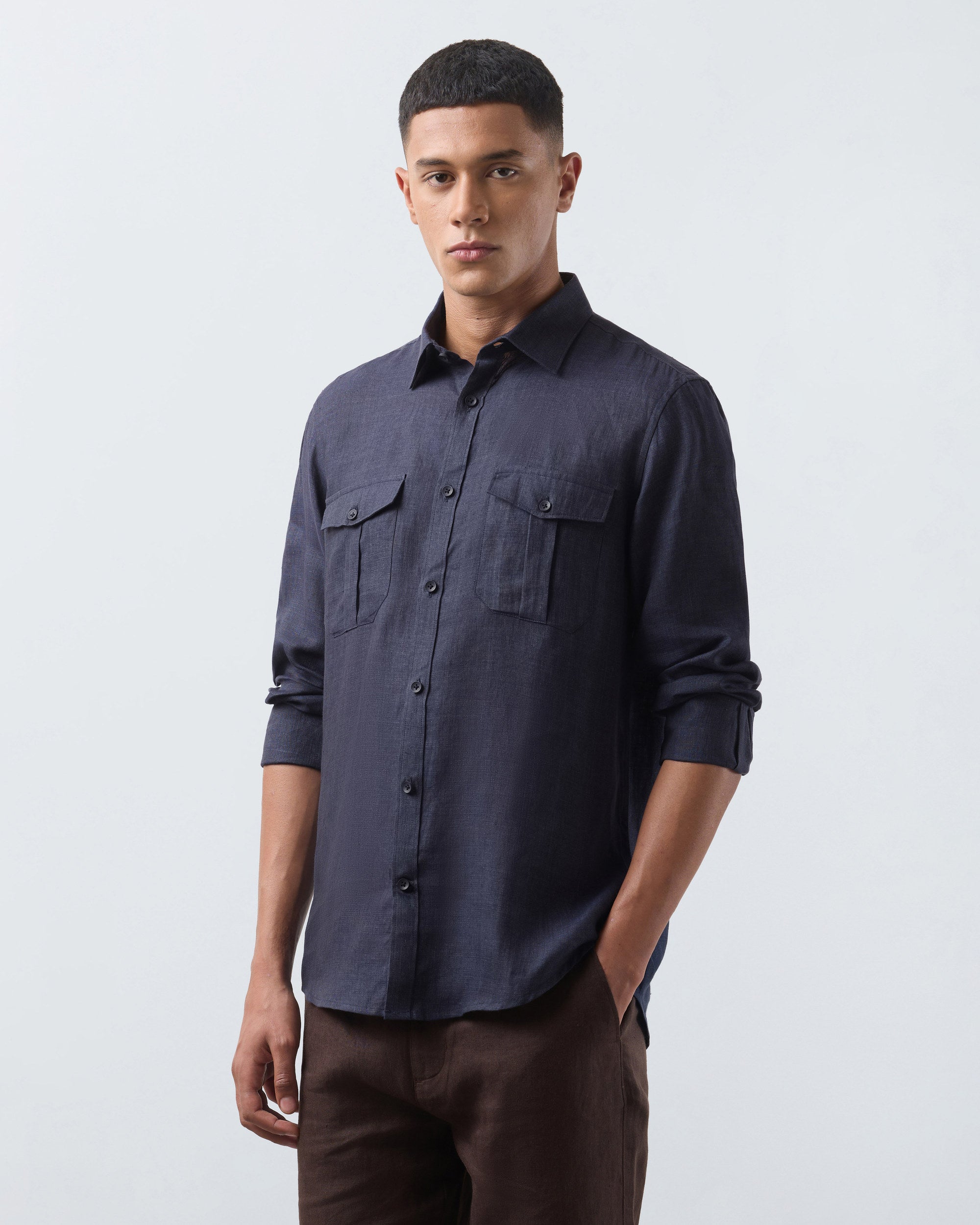
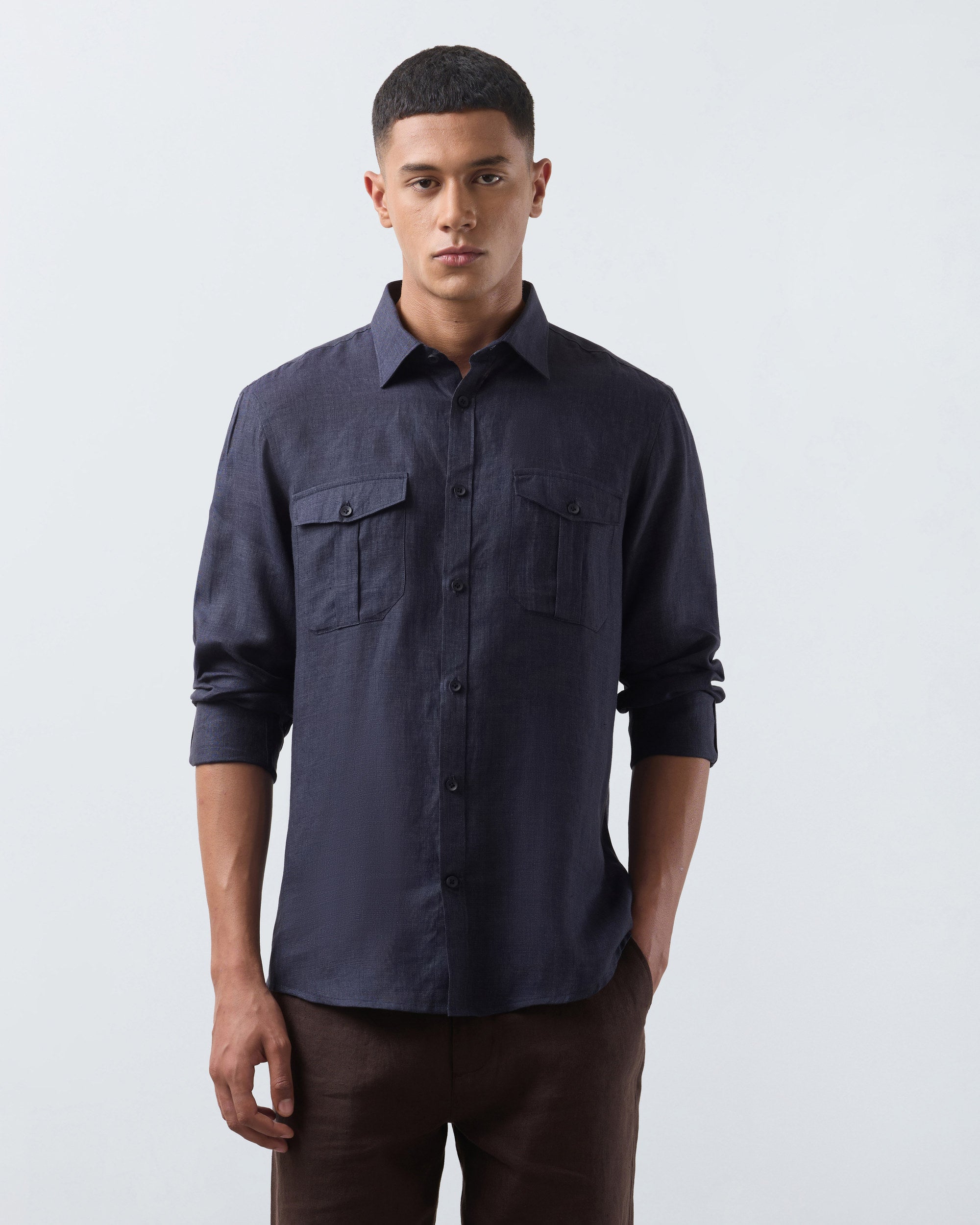
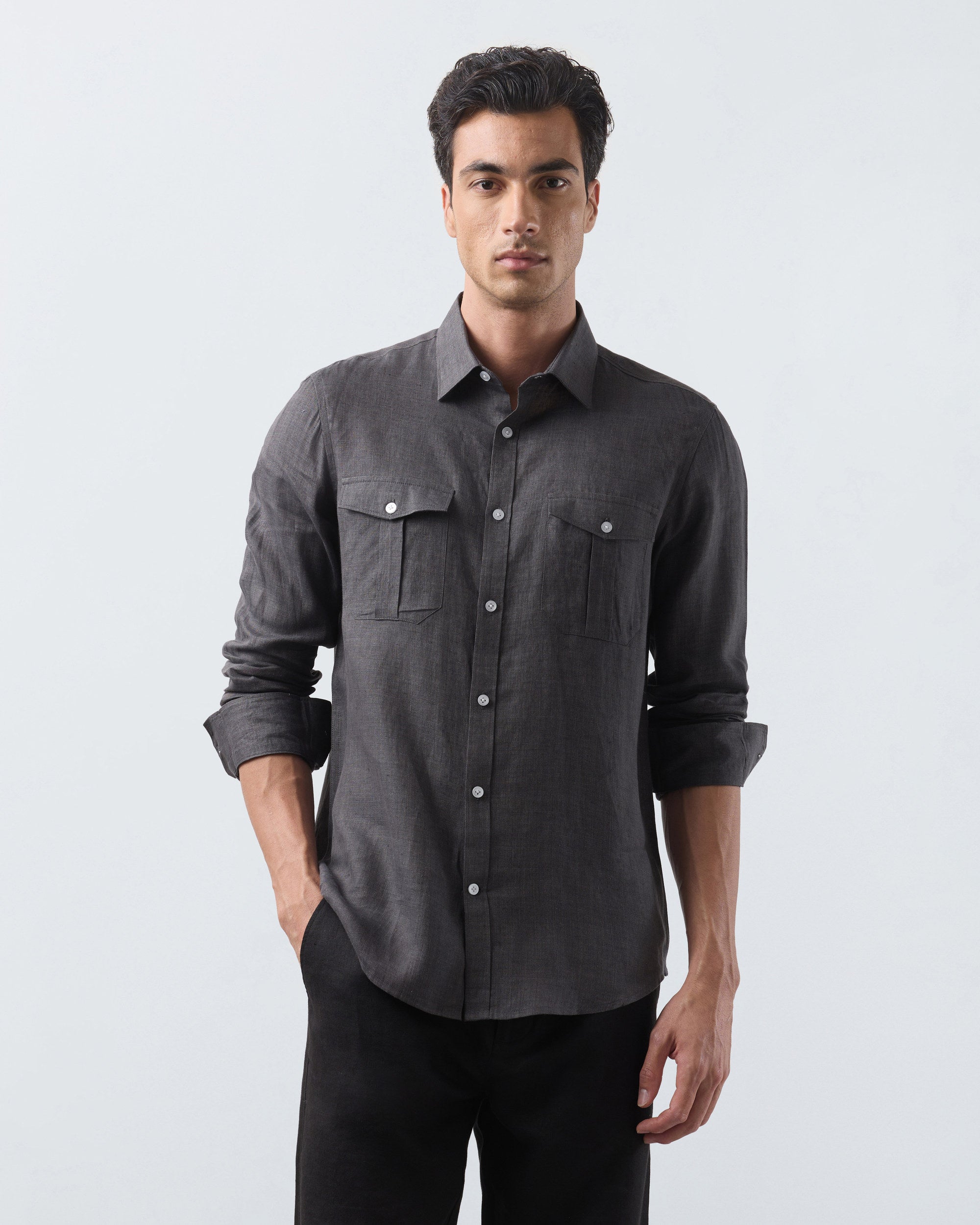
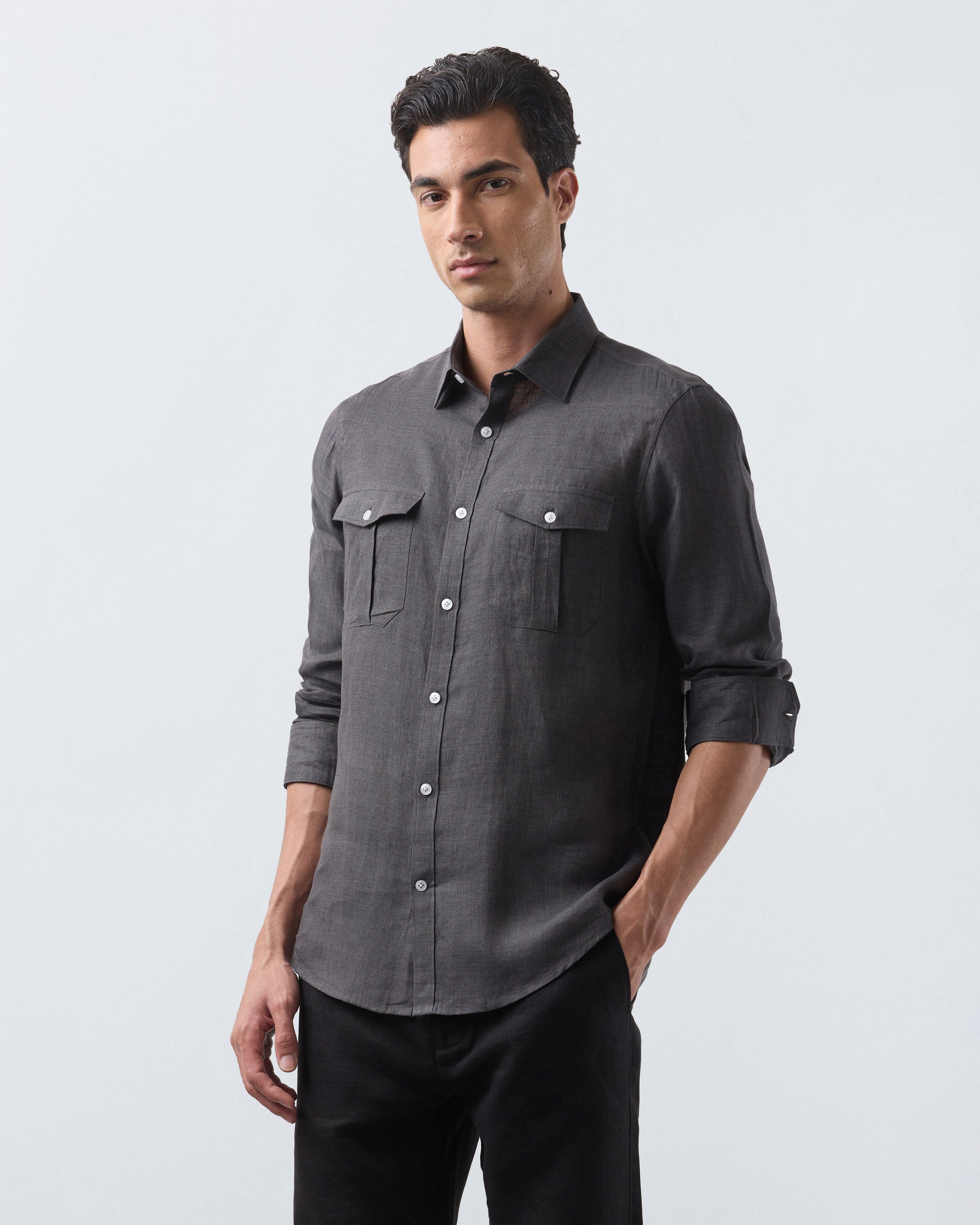
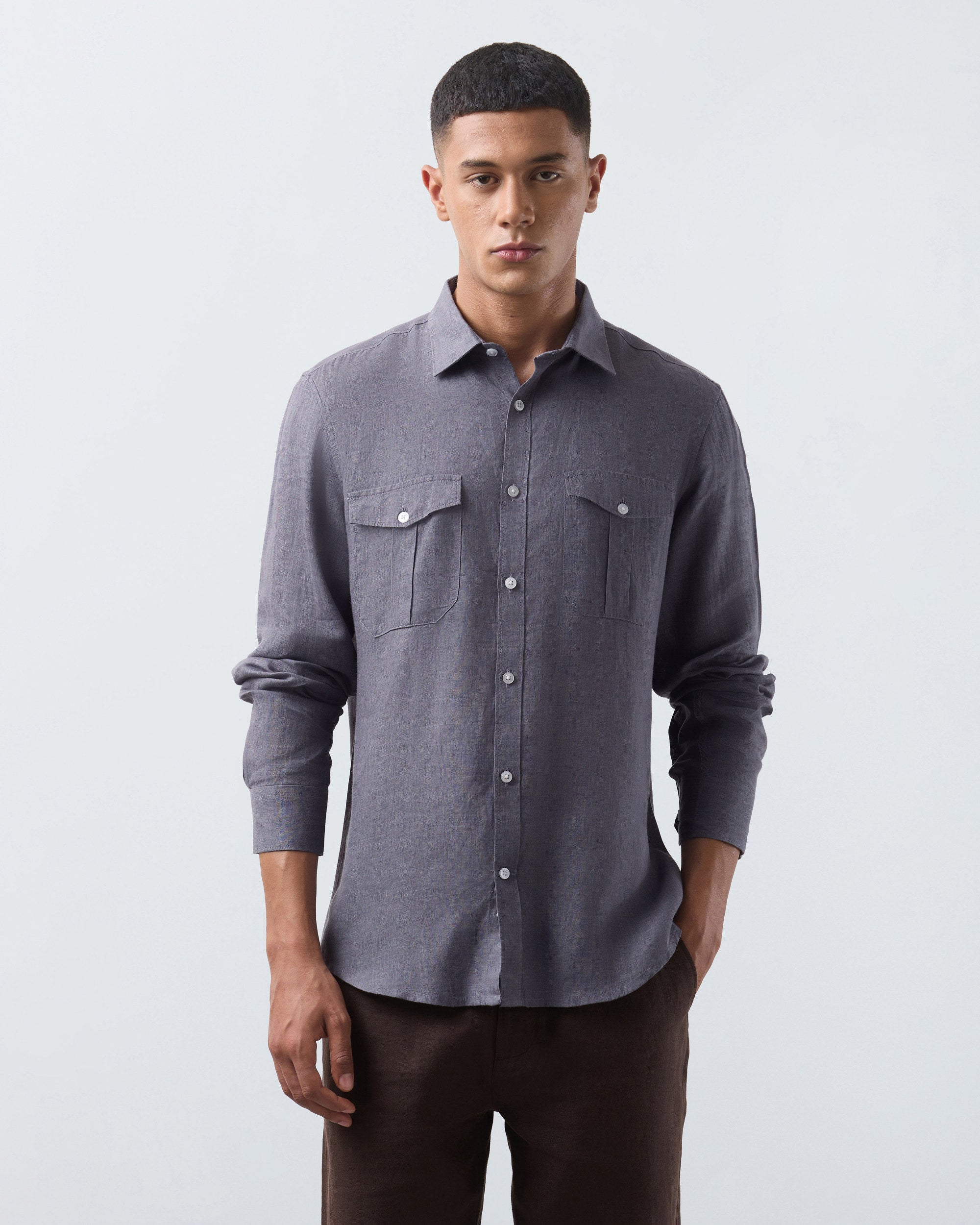
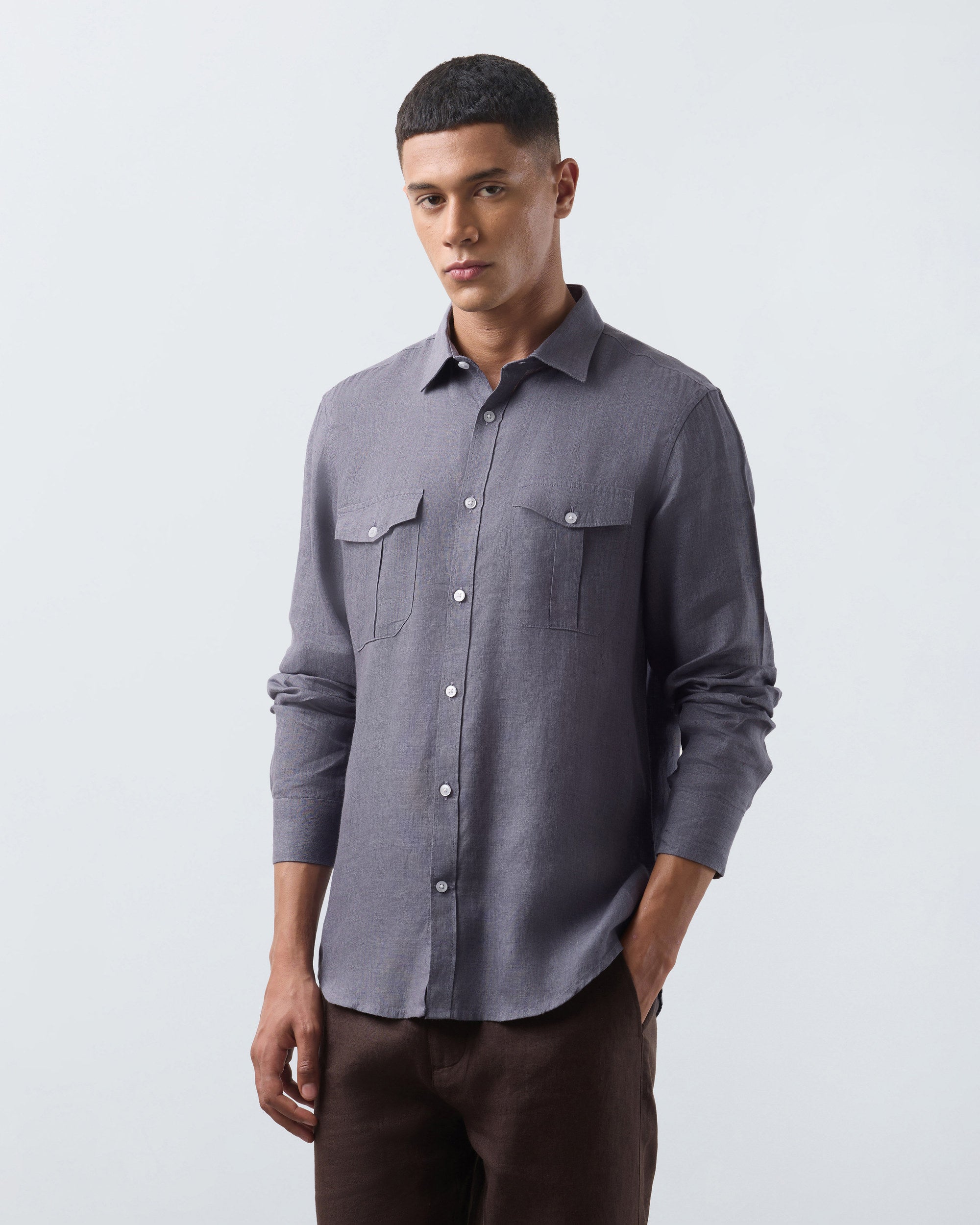
Core. Pure linen for eight months of heat — thirteen colours.
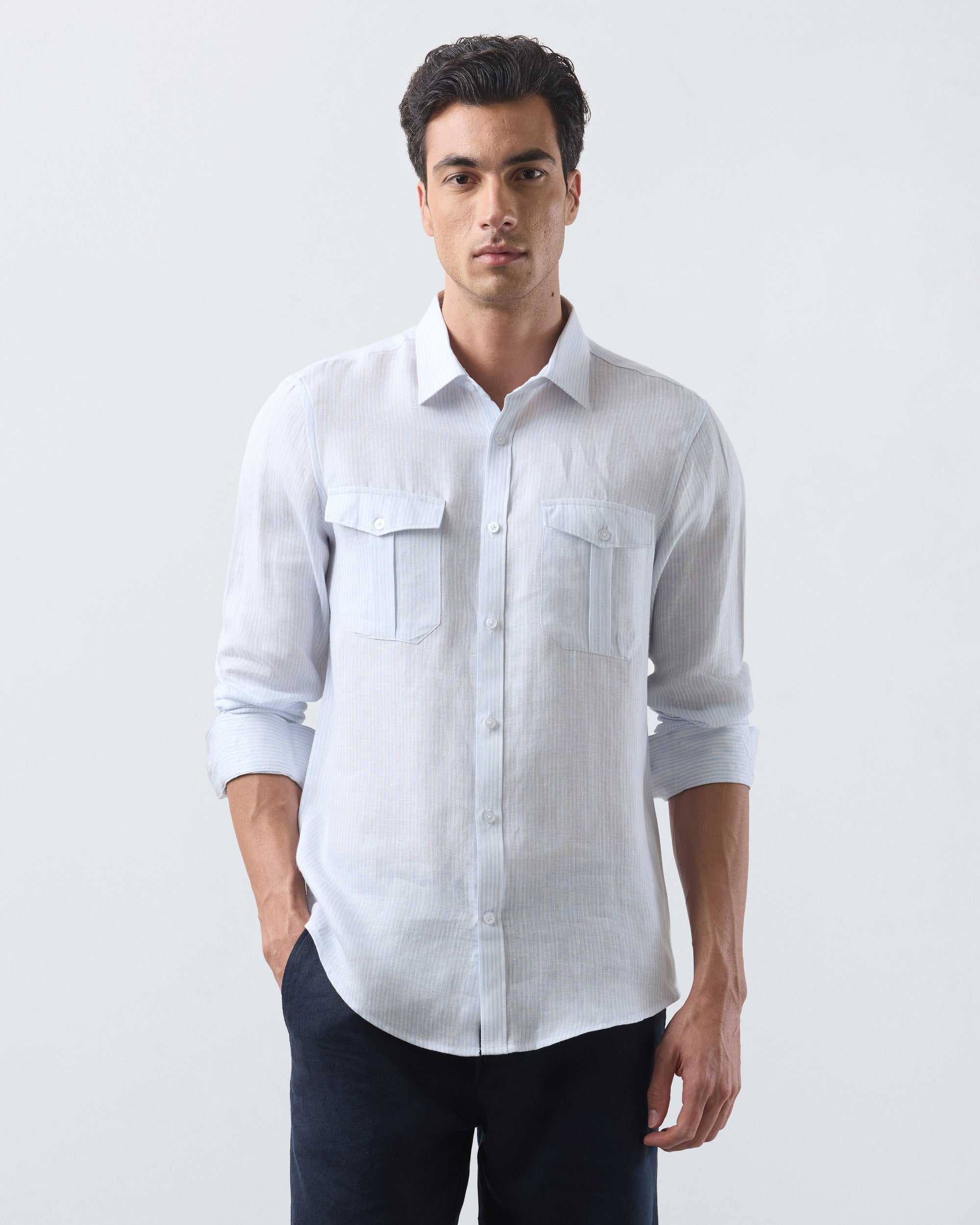
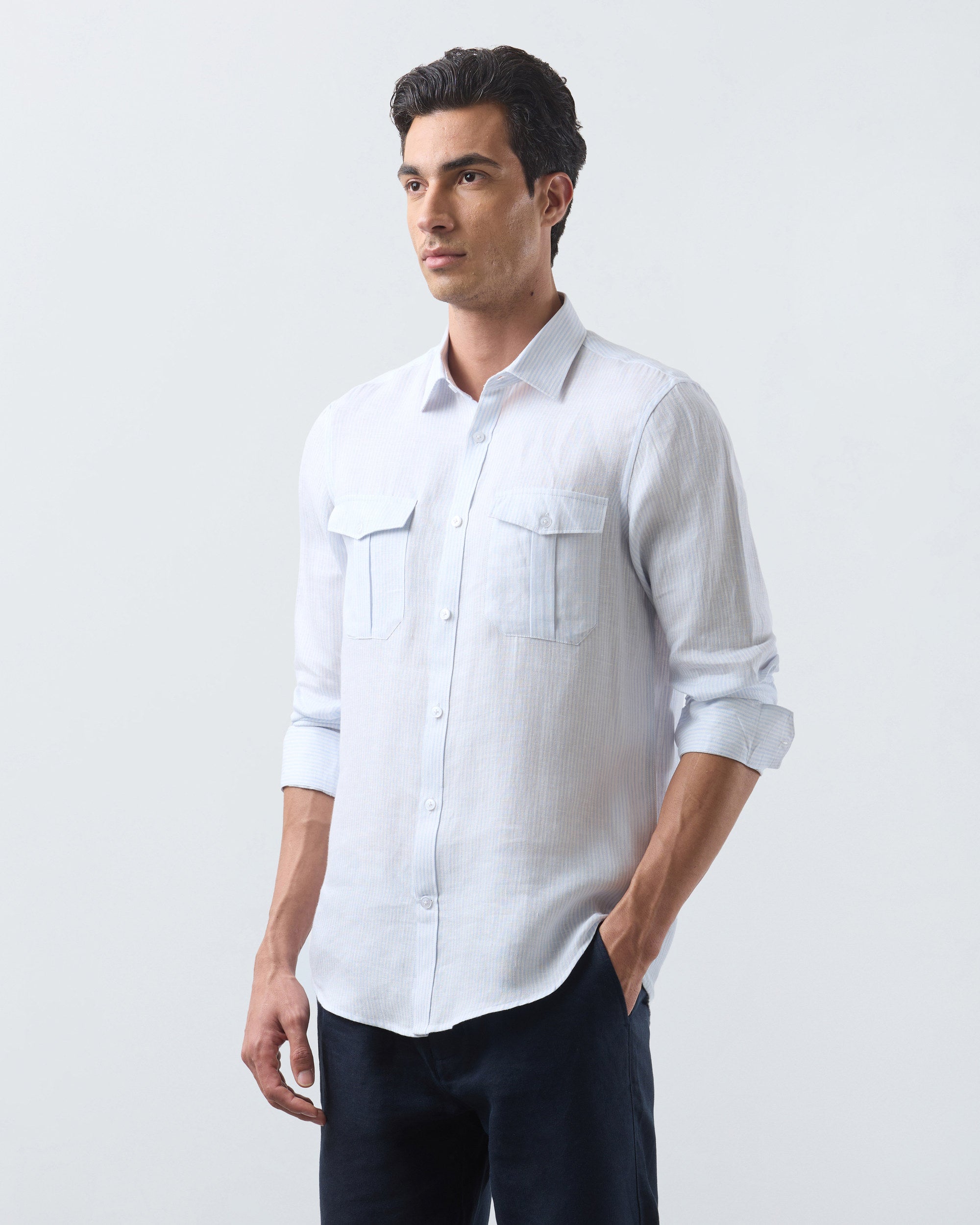
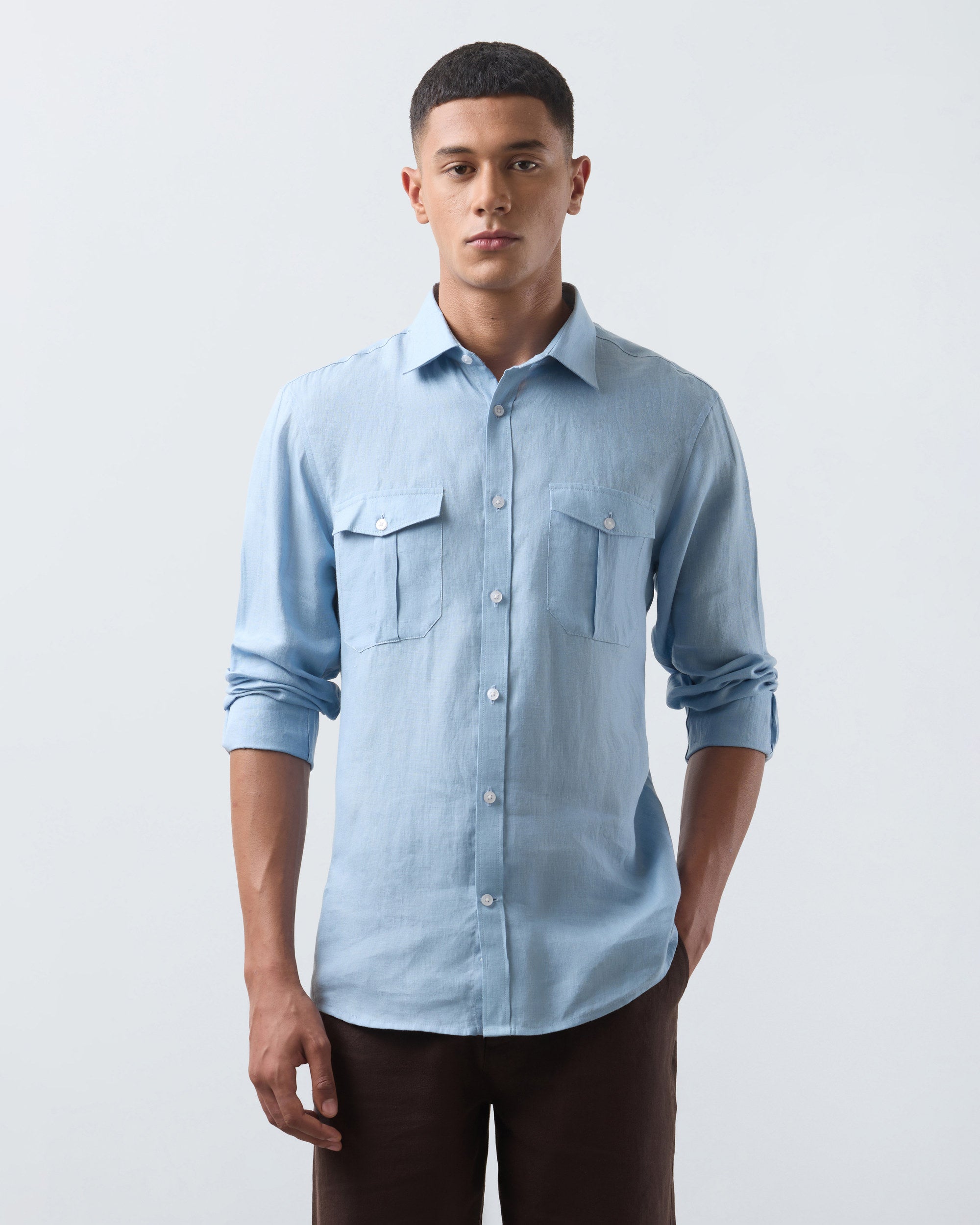
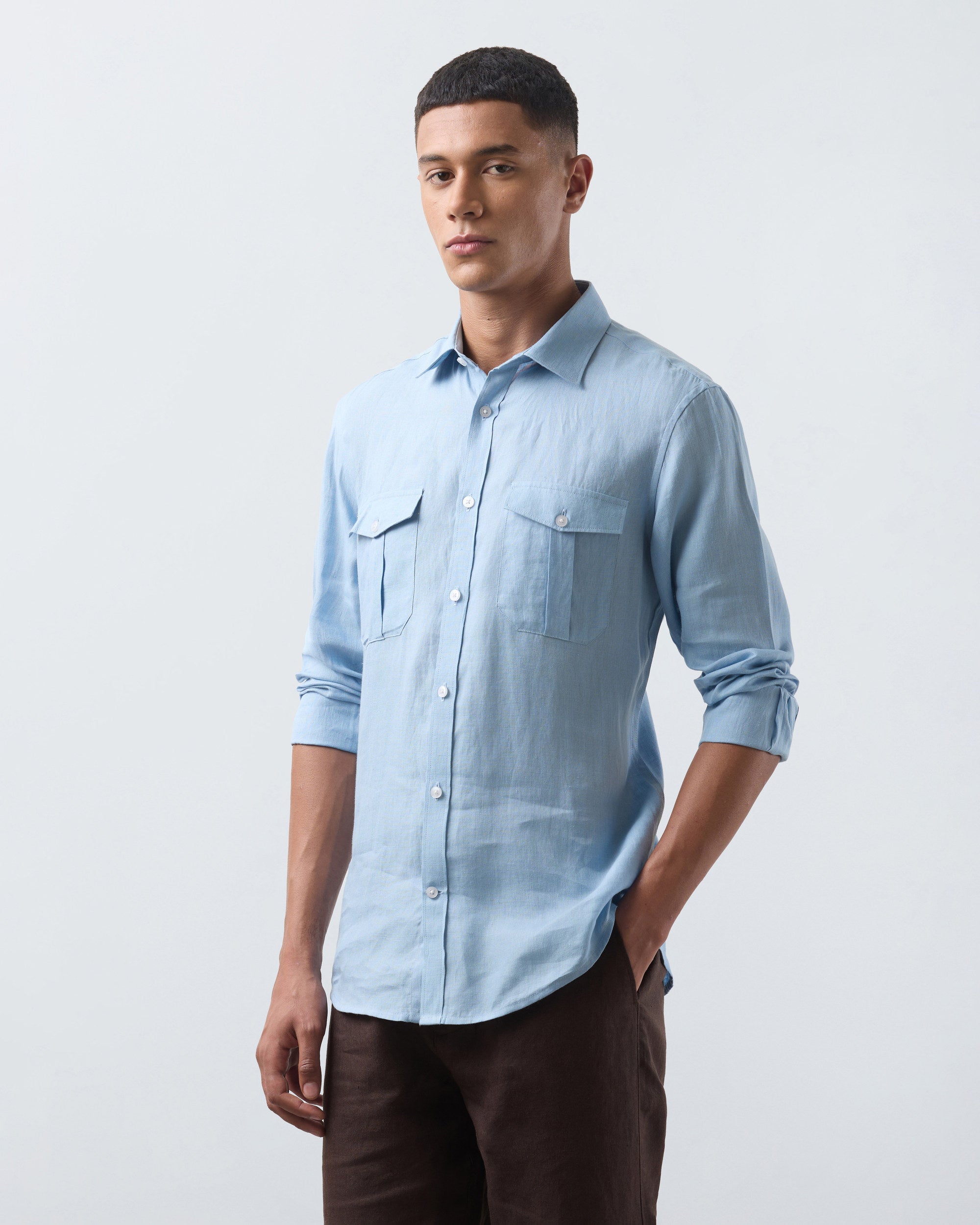
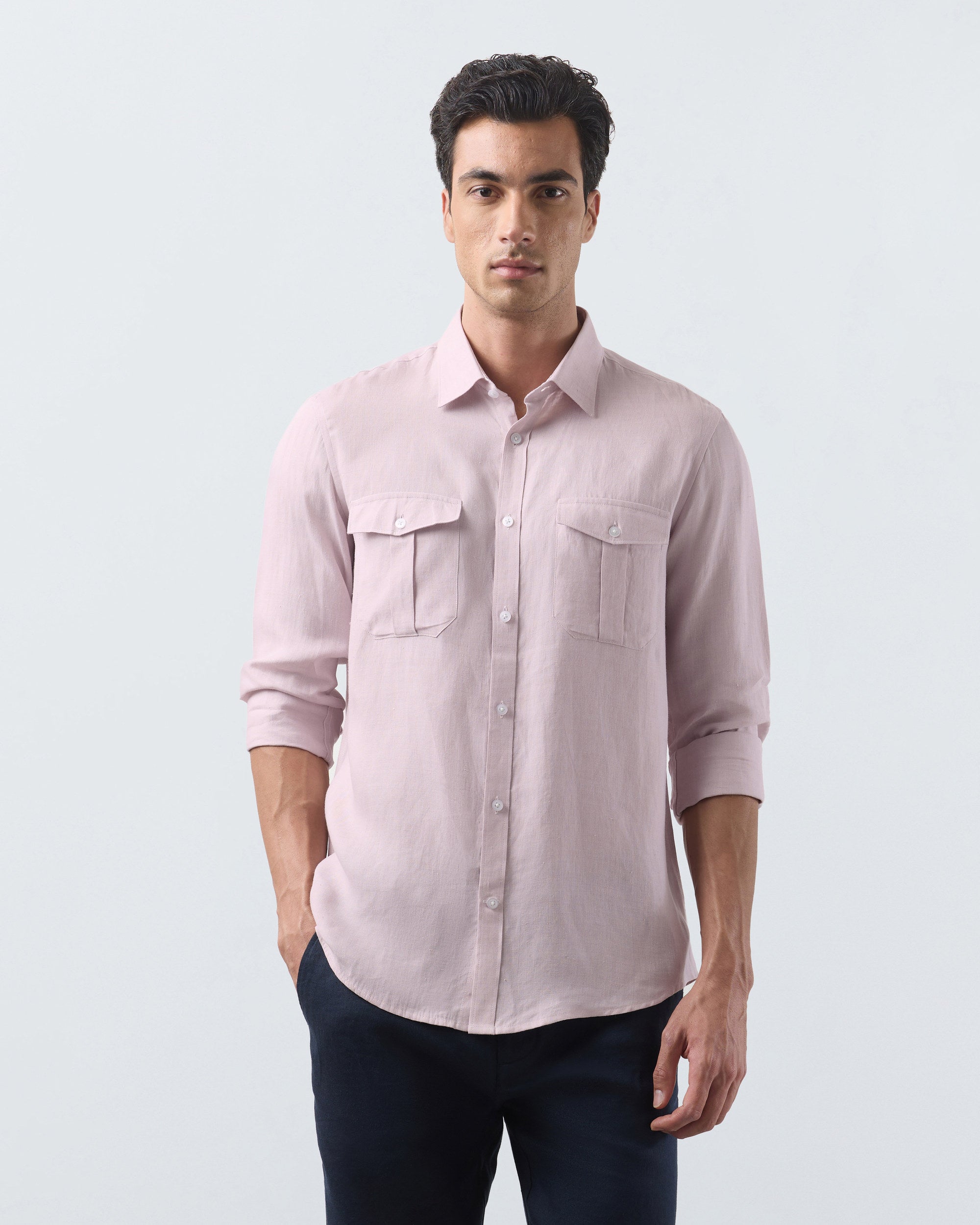
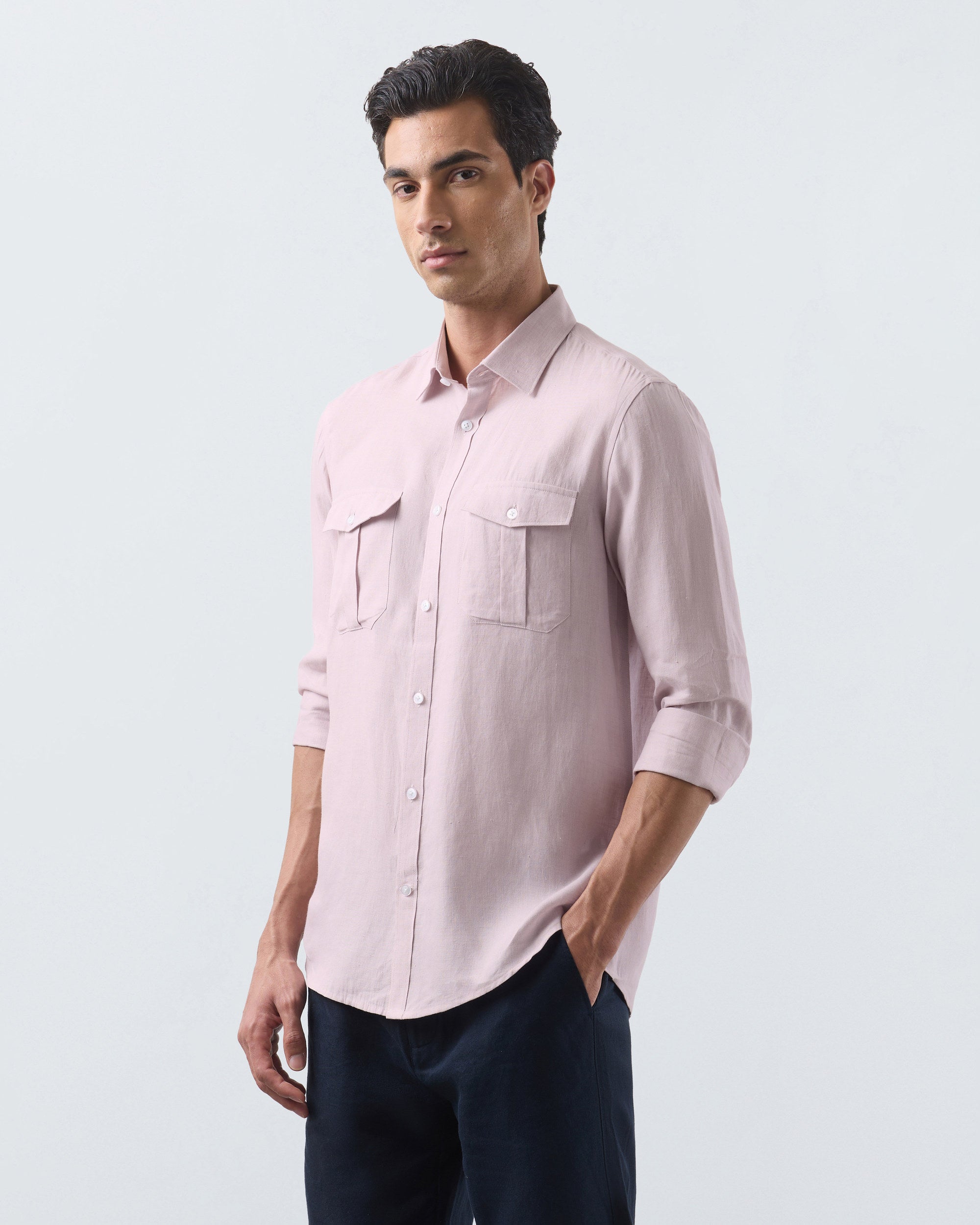
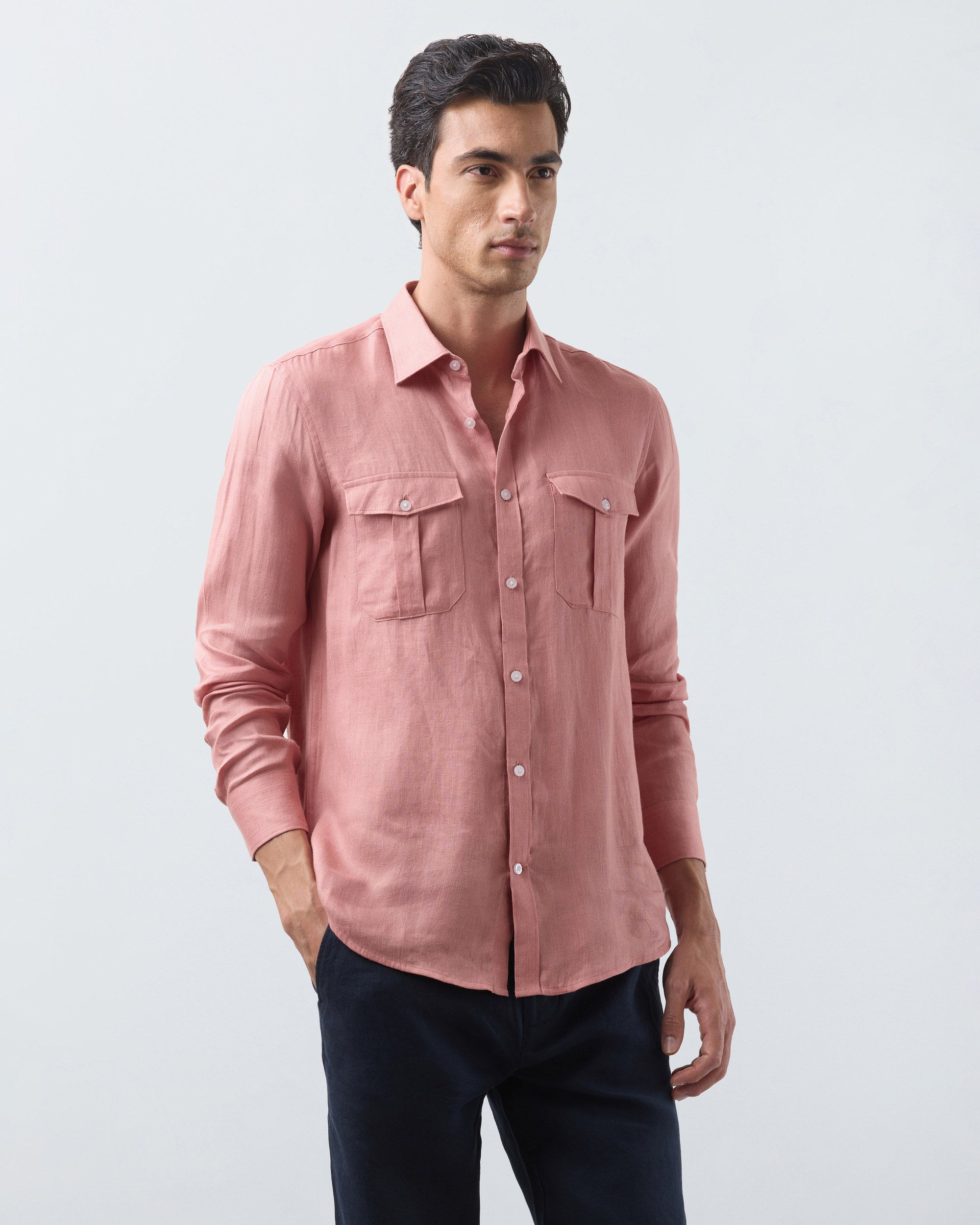
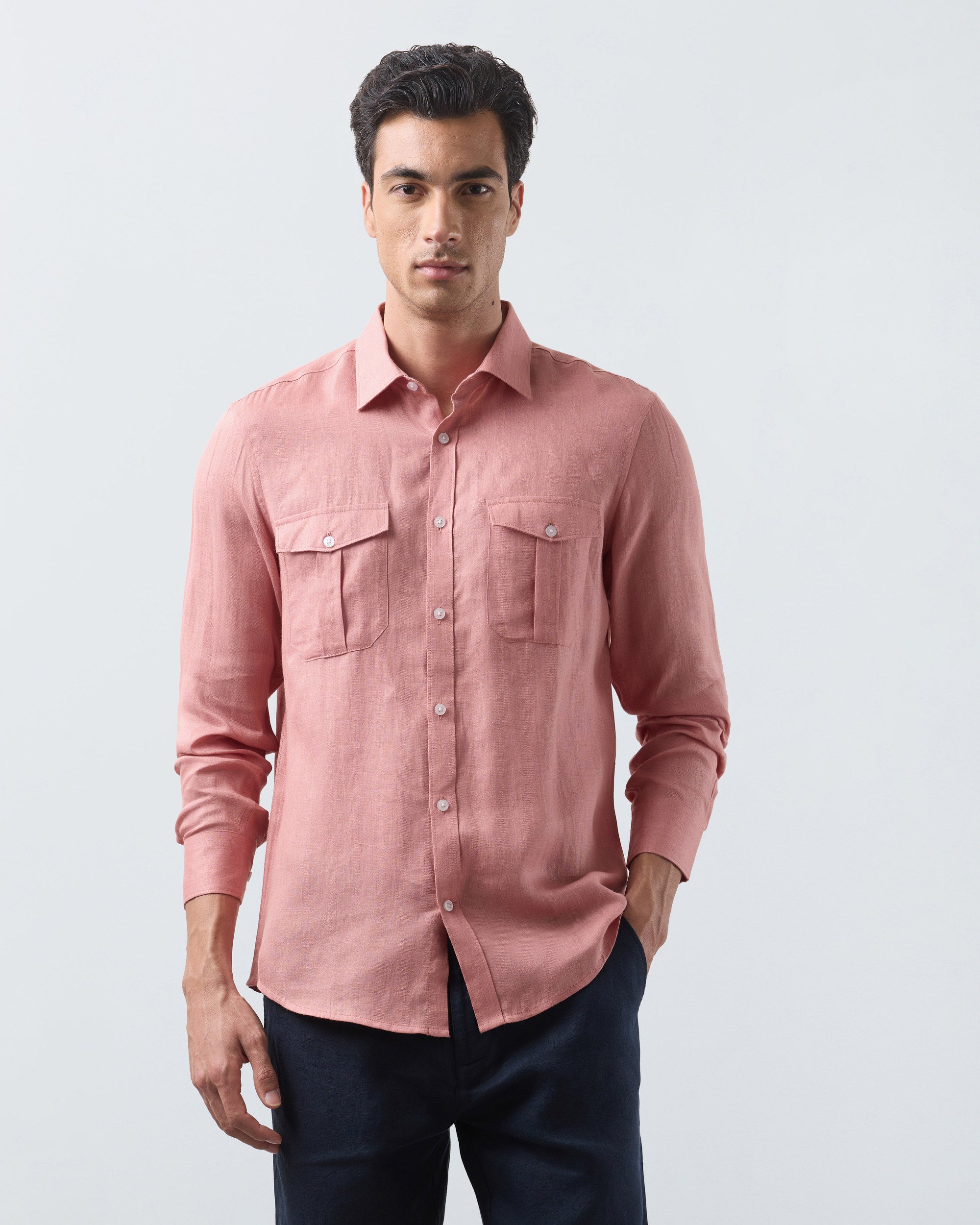
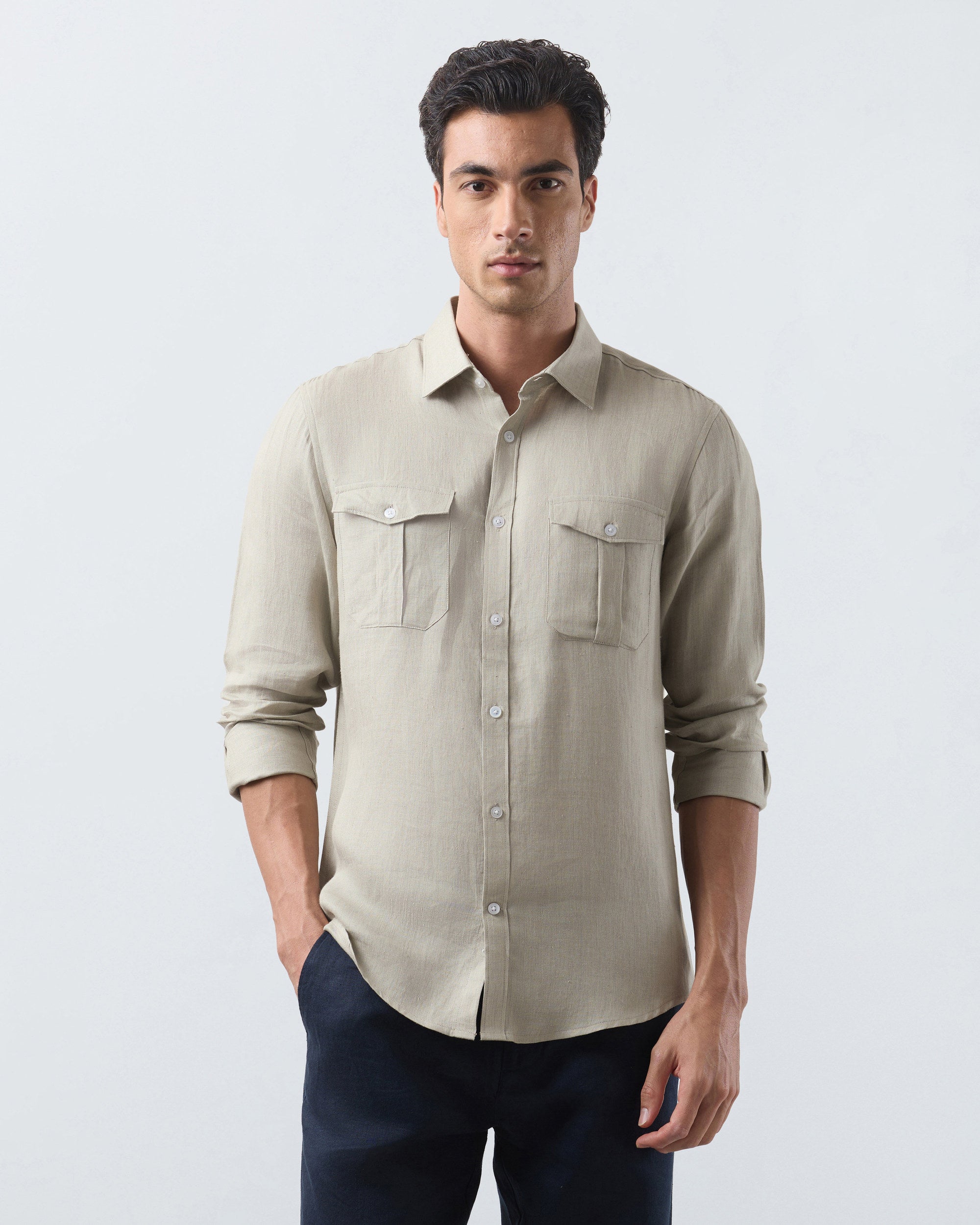
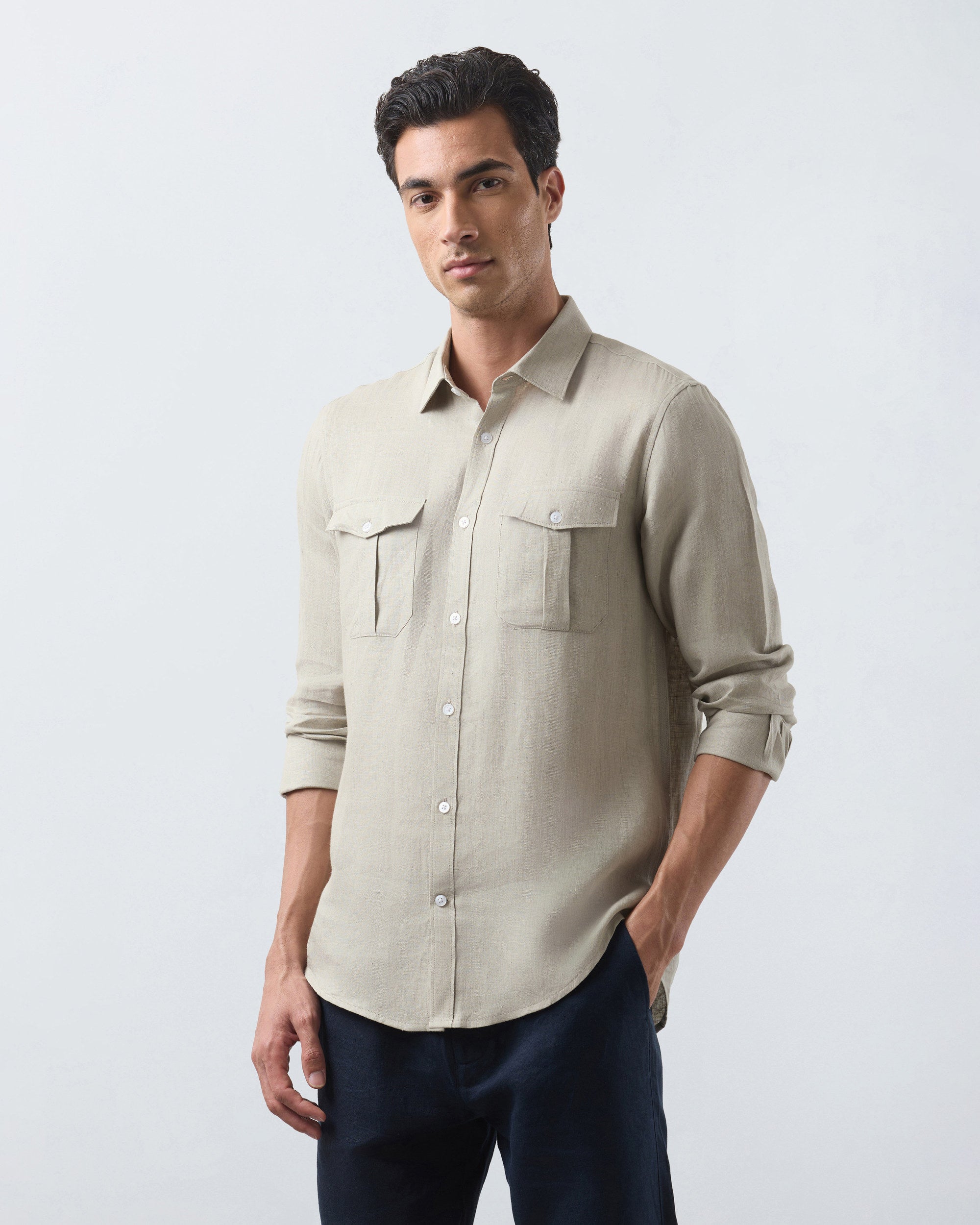
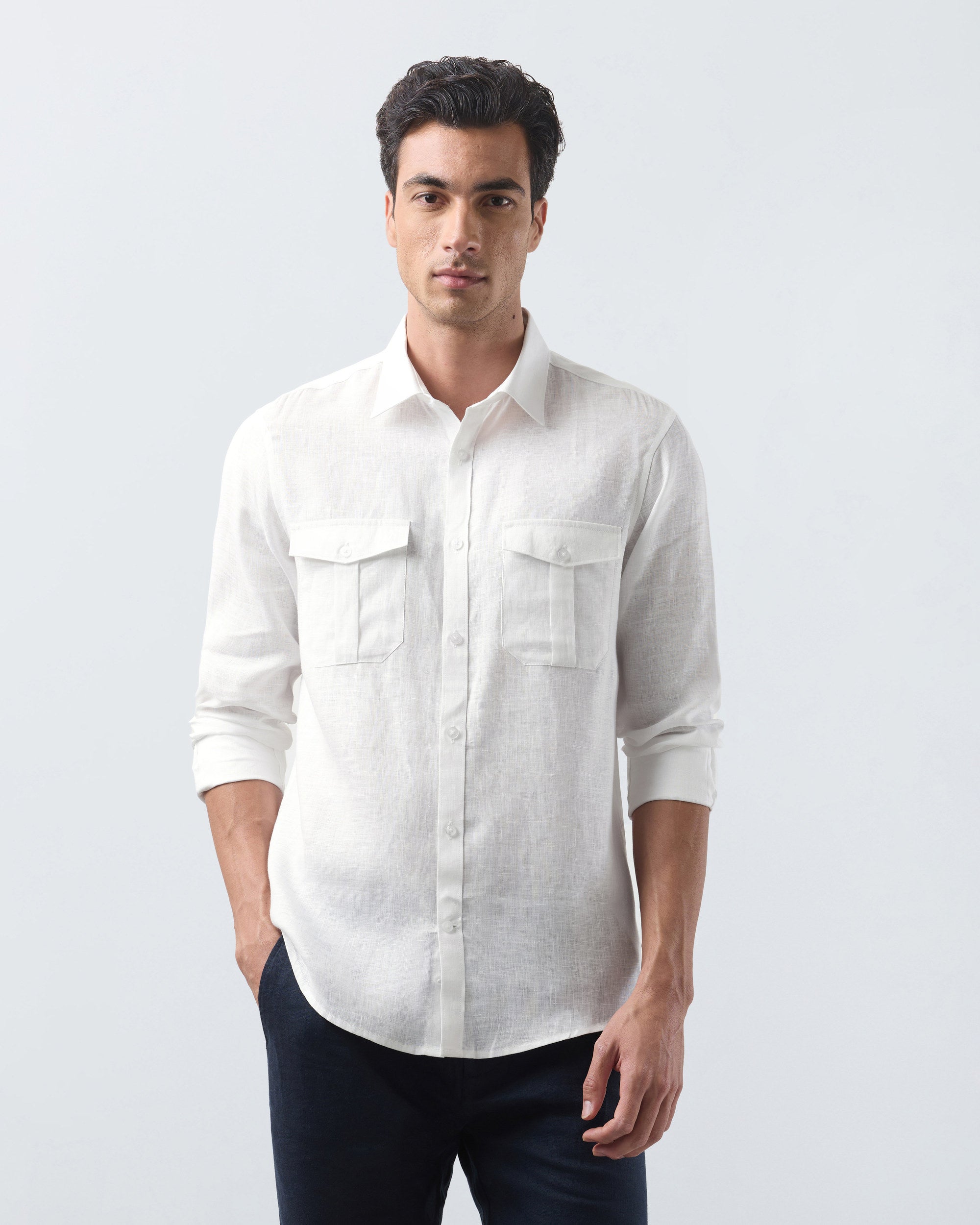
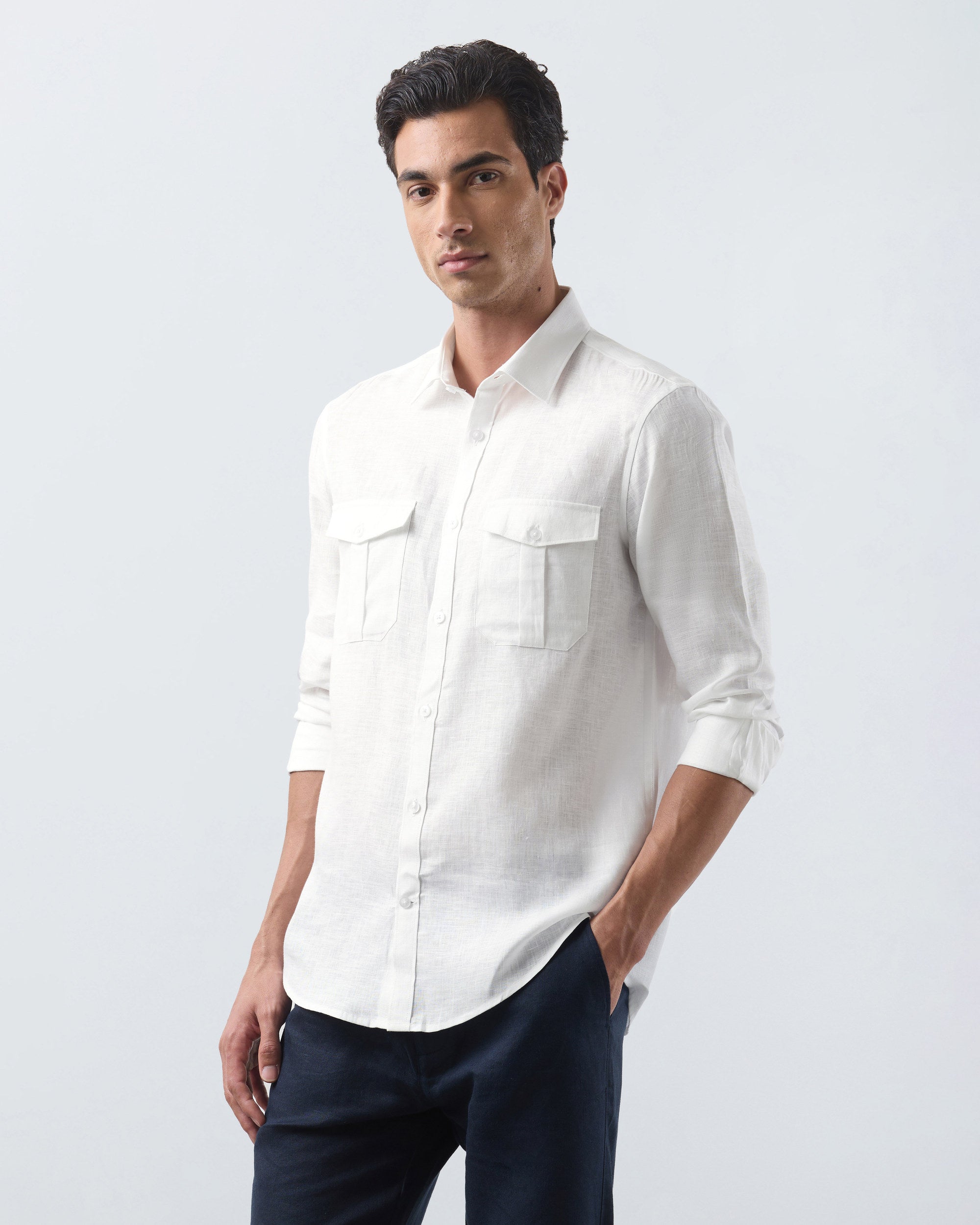
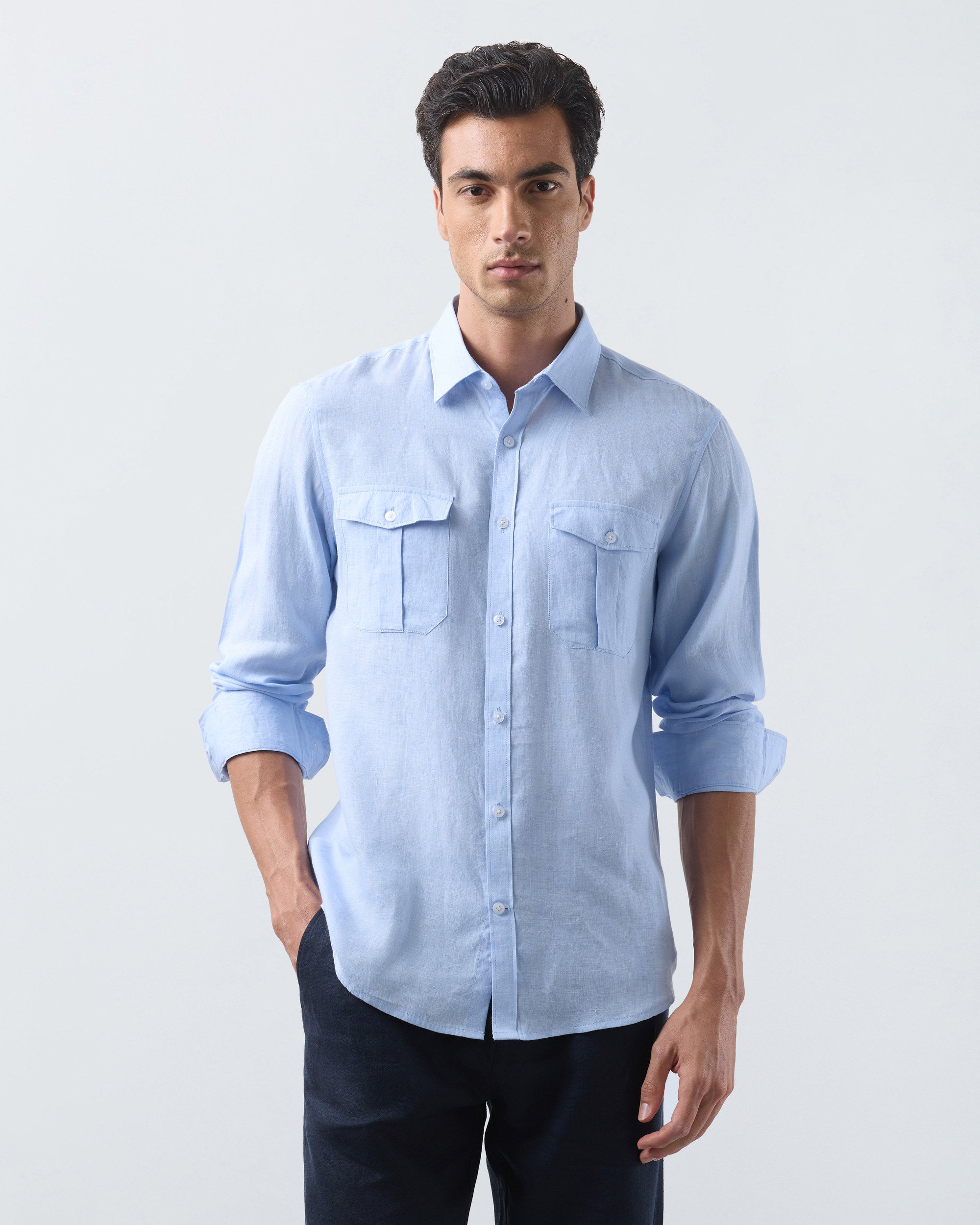
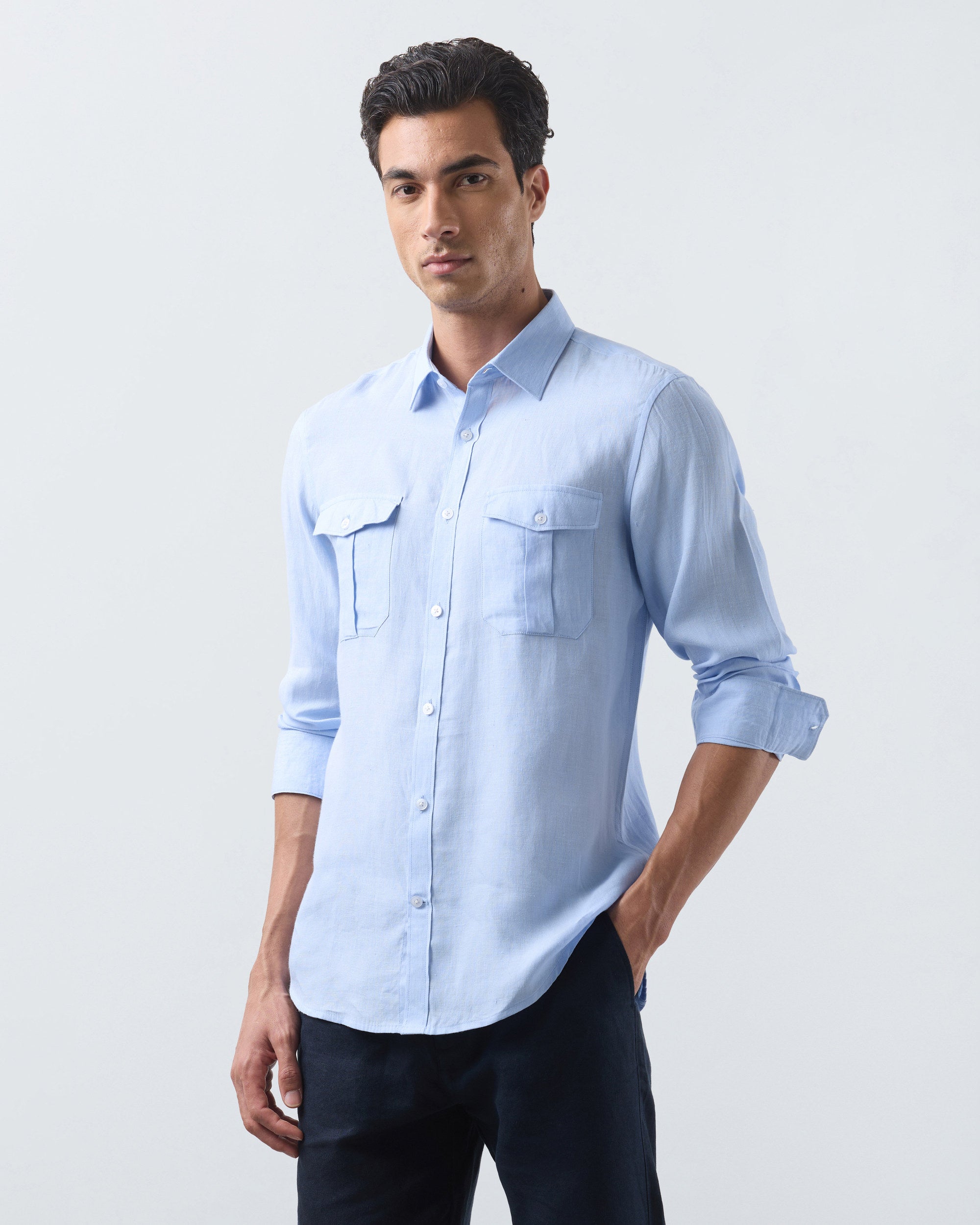
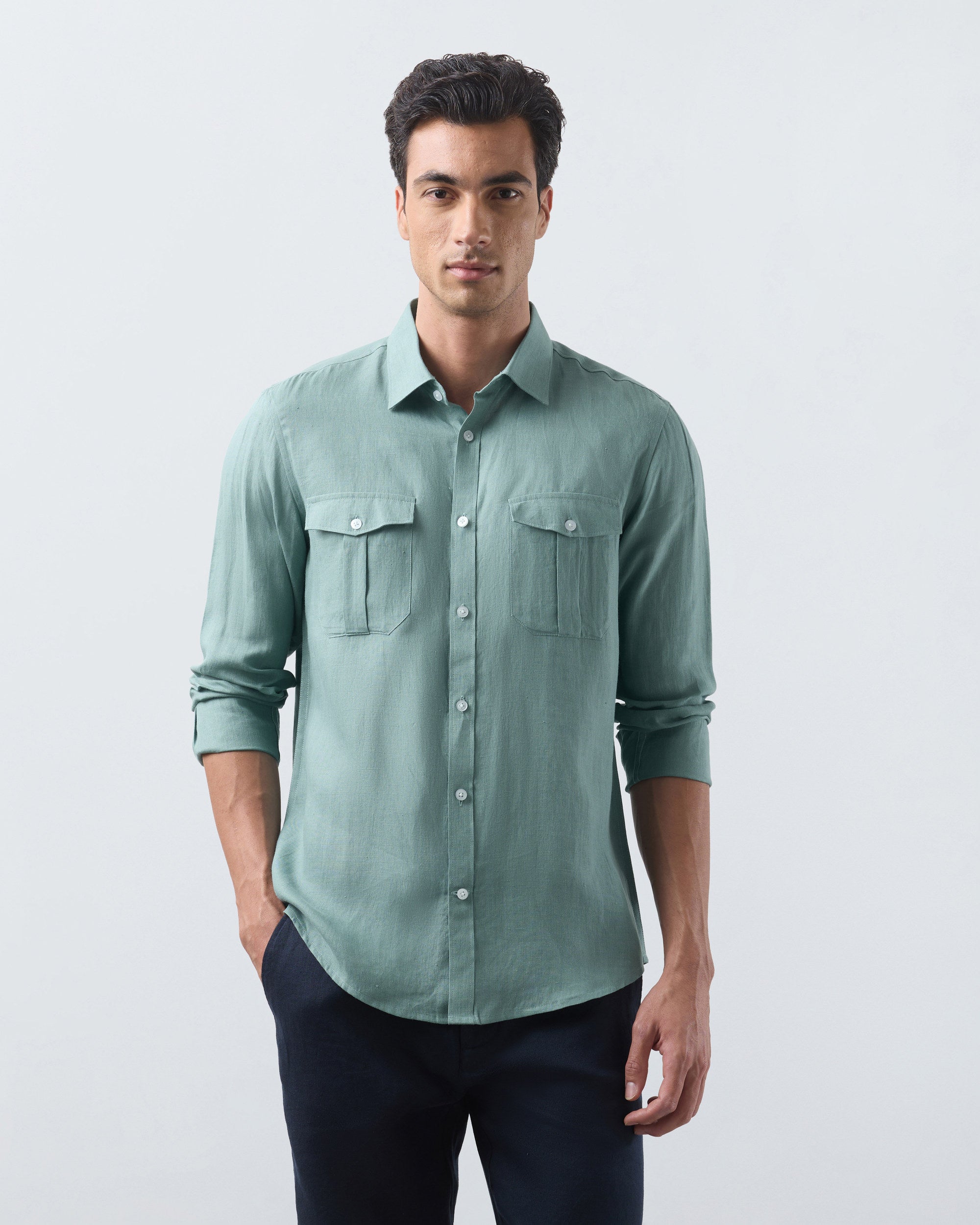
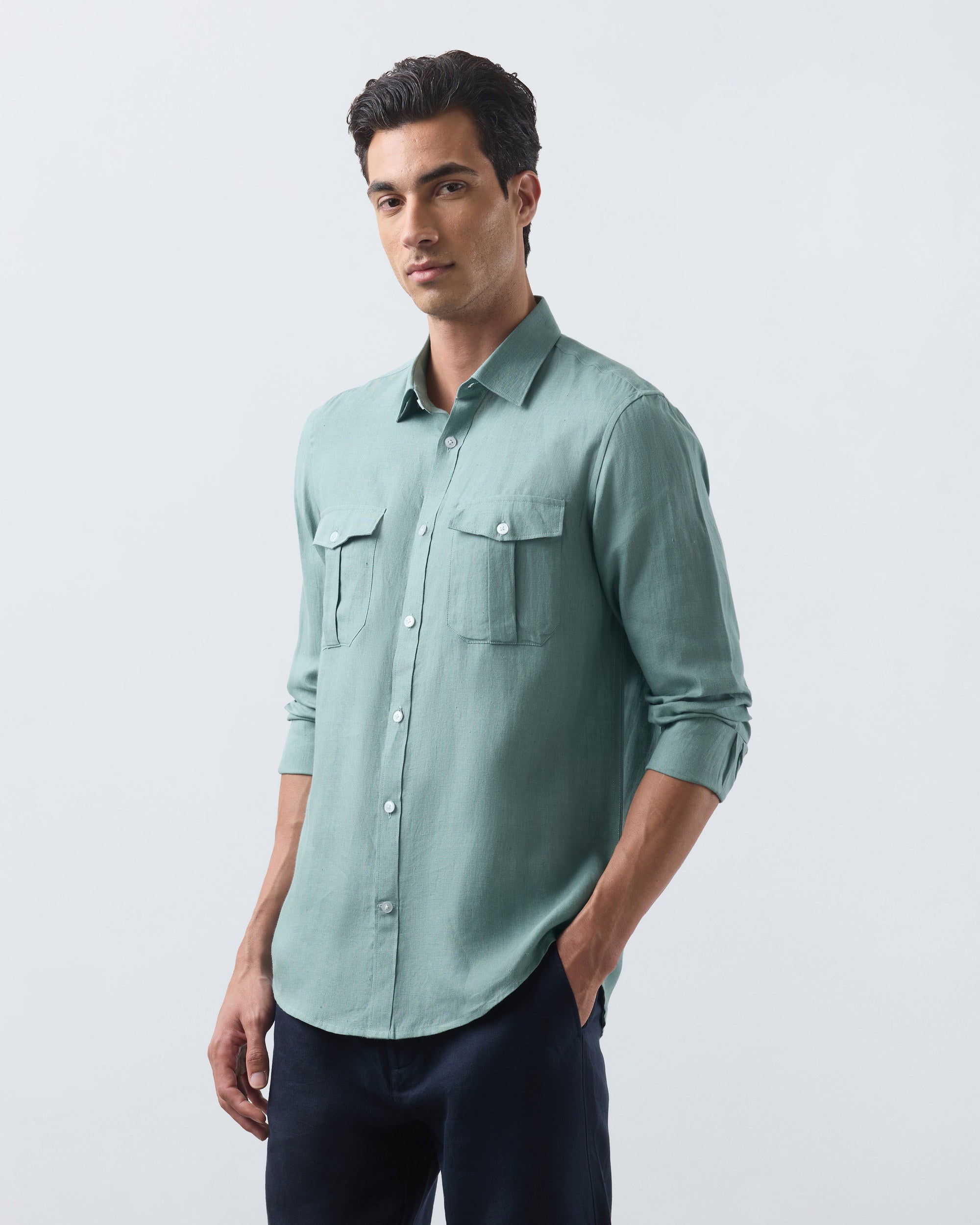
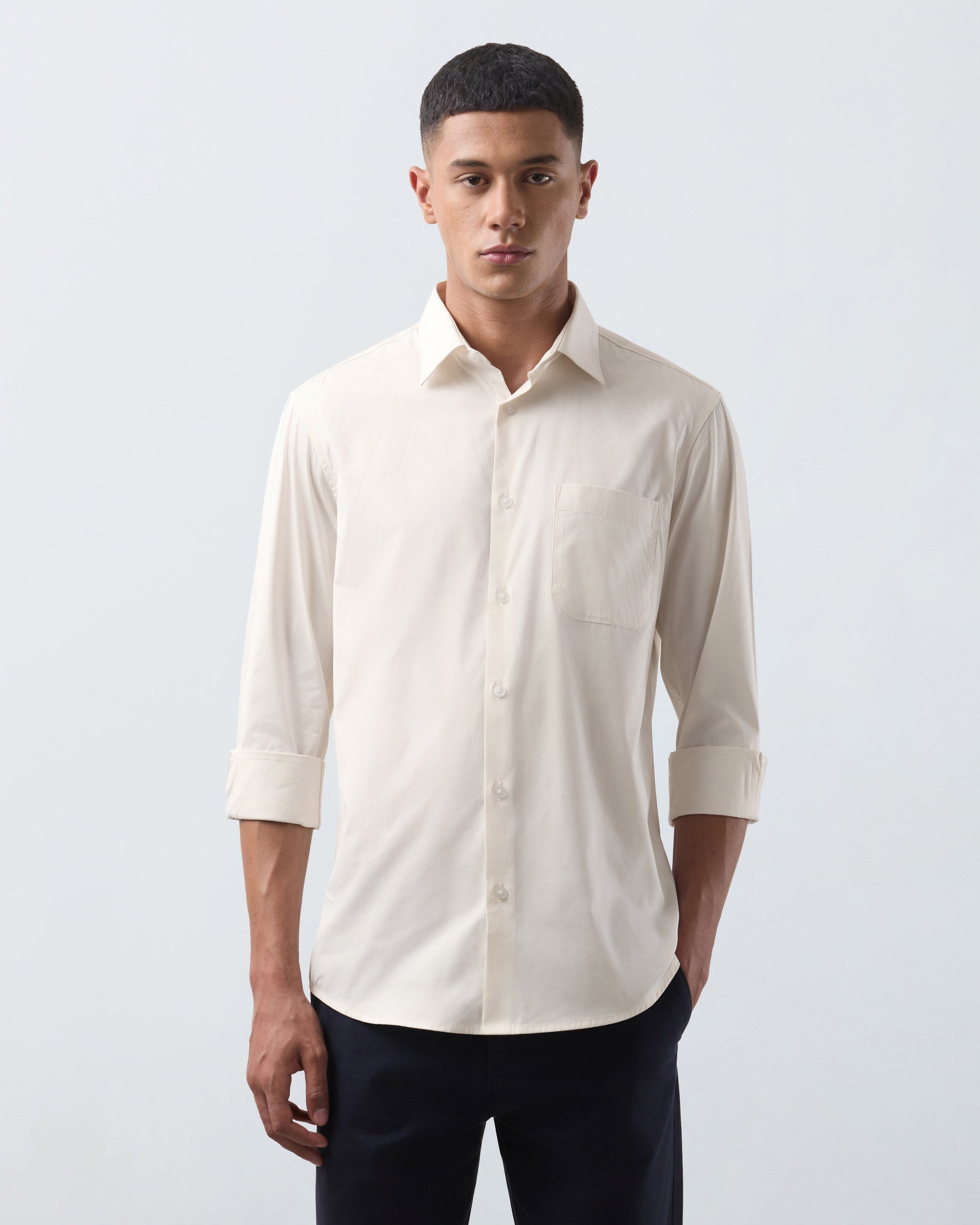
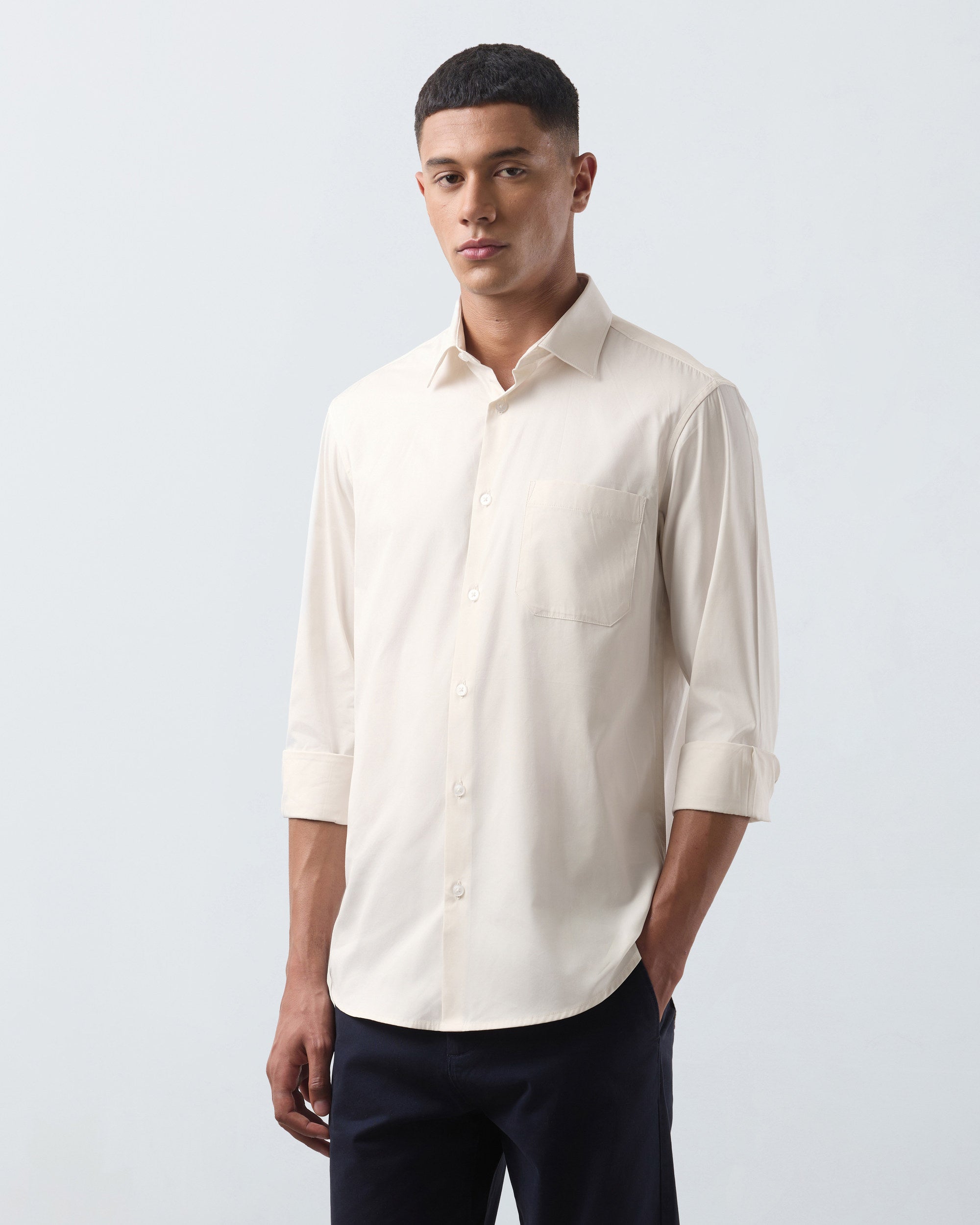
Occasional. Giza cotton and Tencel lyocell — eight colours, for everything that matters.
The road to a full wardrobe
Building a permanent collection properly takes time. Every garment is developed, sampled, worn, torn apart and remade before it earns a place. We would rather be slow and right than fast and forgettable.
Here is precisely what is coming, and when. We publish this openly so you can plan your wardrobe around it — and hold us to it.
The Founding Shirts
Where every wardrobe starts. The oxford for the everyday, the linen for eight months of heat, the dress shirt for everything that matters.
- Oxford Shirt Core
- Linen Shirt Core
- Dress Shirt Occasional
Trousers & Shorts
The other half of every outfit. Chinos cut for a warm climate, trousers for the days that ask for something sharper, and shorts for the months when nothing else will do.
- Chinos Core
- Trousers Building block
- Shorts Occasional
The Knits
The true core of an Indian wardrobe. A t-shirt that holds its neck and its colour after a hundred washes, a polo that reads as smart without a collar to iron, and a zip sweatshirt for the cool of the evening.
- T-Shirts Core
- Polos Building block
- Zip Sweatshirt Building block
Winter Layers
India's winter is short but real. Three pieces to cover it — worn open over a shirt through the shoulder months, and buttoned up in January.
- Overshirts Building block
- Jackets Occasional
- Flannel Shirts Building block
Denim & Foundations
Jeans built to be worn hard for years, the denim shirt — the most versatile layer a man owns — and the layer nobody sees. Boxers and socks are worn more than anything else in the wardrobe, and almost always the cheapest thing a man owns. We think that is the wrong way round.
- Jeans Core
- Denim Shirt Building block
- Boxers Core
- Socks Core
Sweats & Accessories
The easy pieces and the finishing one. Sweatpants and sweatshorts for everything that happens at home, and a belt to hold the rest of it together — considered last, because it should be.
- Sweatpants Core
- Sweatshorts Occasional
- Belts Core
The Far Edges
Every piece here is Occasional by definition — worn a handful of weeks a year, but when they are needed nothing else will do. That is precisely why they come last. Dates firm up closer to the time.
- Merino Sweaters Occasional
- Wool Coat Occasional
- Swim Shorts Occasional
- Ties Occasional
- Scarf Occasional
- Beanie Occasional
And then we stop adding. One permanent wardrobe — refined, never replaced.
A wardrobe is defined not by volume, but by clarity.
Building a capsule wardrobe begins with function. Every garment serves a clear purpose and earns its place through regular use. It is not about owning as little as possible — it is the opposite of what most wardrobes become: a slow accumulation of items bought for a single occasion, worn twice, and kept out of guilt.
It also, quietly, costs less. A shirt worn two hundred times at ₹3,000 is cheaper per wear than four shirts at ₹1,000 worn twenty times each — and infinitely better to wear. Most of all, it lets a style emerge instead of being assembled.
Start with the shirt.
Three garments today. A complete wardrobe by 2027. Begin where every wardrobe begins.